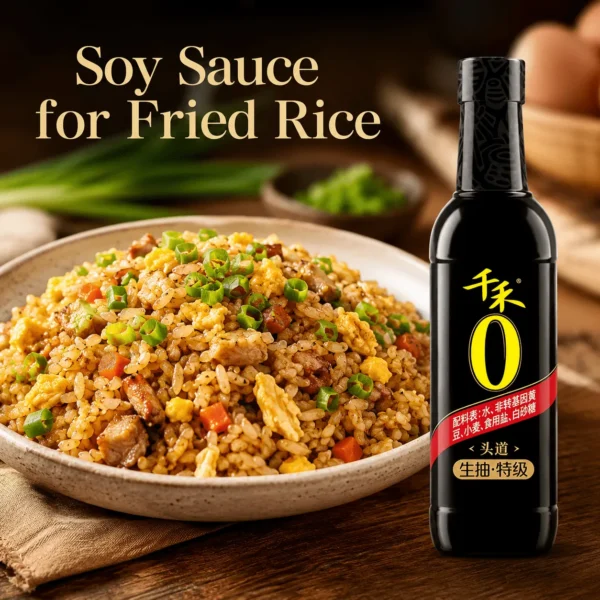
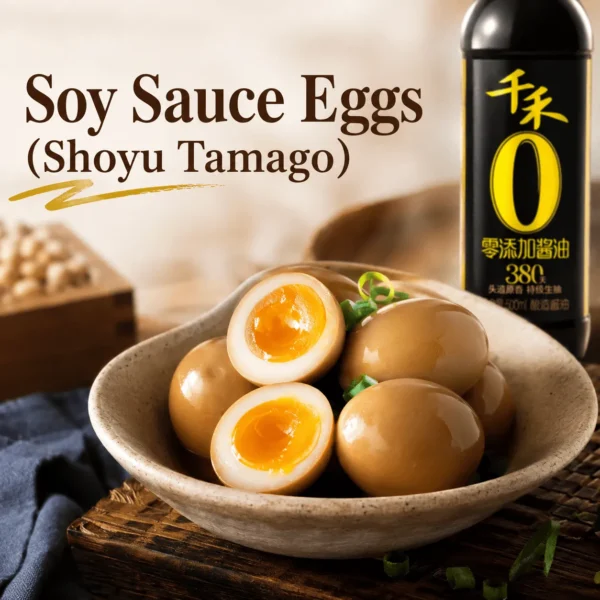
Catering faces competition like never before in the cut-throat market today. Customers expect delicious food. In such a fast-changing industry, creating popular dishes requires not only creativity but also repeatability, cost control, and understanding of customers. Recipes that combine seasoned soy sauce and other condiments have become a powerful means for many catering businesses to succeed.
Rather than relying on a large number of condiments to create flavor from scratch, operationally capable caterers can choose balanced sauces to simplify operations, improve the quality of finished dishes, and ensure consistent taste for large batches of dishes, while minimizing resource costs and time.
The Role of Seasoned Soy Sauce Recipes
1. Create Consistency
Every skilled kitchen person will tell you that when cooking a dish manually, slight differences in taste are sometimes allowed to be tolerated. With catering, however, consistency is everything. If customers like the flavor of a dish at a restaurant, they expect to taste the same flavor the next time they come back, so a balanced seasoned soy sauce recipe can indeed achieve this effect.
It can be the right savory formula with spices, sweet flavors, and umami notes, preset, ready-made sauces by catering businesses to remove guesswork from seasoning. Whether grilled meats, stir-fried vegetables, or dipping sauces, the result will always be on track.
2. Help With Dish Innovation
Although great consistency is what catering companies will be offering, they should always have something new and exciting in flavors. Repeating a very similar menu year in year out will turn off returning customers.
Seasoned soy sauce recipes can be the base for Asian-fusion marinades, salad dressings, glazes, and more. Imagine roasted chicken bites glazed with garlic-seasoned soy or sweet-sour tofu that gets its richness from a blend of aged soy and spices. They aren’t too complex but will stay with someone for a long time.
An exclusive recipe is also part of the identity of your brand. The more customers consume your food with that particular sauce, the more they create associations with the depth and character of your meals to the unique taste of your house sauce in no time.

Key Highlights to Take Note of when Creating Hit Dishes
1. Select a Good Positioning for the Dish
Every dish needs to have a clear position before the ingredients or the presentation. Is it for high-priced events, or rather a comforting dish catered for casual service? The target audience comes into play. It involves flavor, ingredients, pricing-and even whether a seasoned soya sauce recipe should lean towards being traditional or more modern.
A fine dining setting might require very delicate blending using truffle oil or a mushroom extract to elevate a dish. On the other hand, stronger flavor combinations such as smoky garlic or sweet chili in the soy sauce will probably allow you to cater more toward buffets or street-food themes. If you know your audience, you can match the button to taste, texture, and aesthetics, ensuring it has some chances of becoming a hit.
2. Use Seasoned Soy Sauce Recipes to Enhance the Dish
One of the errors that caterers make is that they complicate recipes. With tight deadlines and big orders, that only creates more room for error. Instead, optimization of cooking via a good seasoned soy sauce brings benefits in various ways. Such as simplified, reduced preparation time, and more importantly is never running out of flavor.
3. Control Costs and Pricing
Profit margins of catering businesses are much tighter. Due consideration must be given to ingredient maintenance to achieve an agreeable balance between the quality and profitability of the product. A properly seasoned soy sauce recipe will assist in this regard. If pre-mix sauces are in use, exact quantities can be measured per portion, thus preventing over-seasoning and wastage.
It can be more cost-effective to buy ingredients in bulk for the purpose of making your own signature sauce. You control the inputs for the sauce, maintain the integrity of flavor, and do not rely heavily on imported seasonings or last-minute purchases. It also serves as a pricing strategy: you know exactly what each portion costs to make.
Implementation and Promotion
1. Setting Up Standardized Procedures
Once a good concept for a seasoned soy sauce recipe has been finalized, the next step becomes the standardization of it. The who, how, what, when, where, and why of preparation, storage, and usage must be known by every member of the team. This is especially important for medium to large teams in which different chefs might handle the same dish.
Having SOPs on how to use your sauce in marinades, stir-fries, etc., will again save time and ensure consistency. Use pictures, hard copy manuals, or short training videos. This reduces errors and allows for easy training of new team members.
2. Employee Training and Evaluation
Staff training goes hand-in-hand with implementation. Each of the cooks should know when and how should use the seasoned soy sauce in their cooking process. Workshops, demos, and training side-by-side with prep shifts help to reinforce the habit.
It is also smart to evaluate how dishes are periodically being prepared. The sauce taste checks, visual assessments, and quality review should show accuracy in using the sauce. Encourage your team to give feedback, as sometimes a little tweak in the recipe or application method can result in a greater end.
3. Market Promotion and Feedback
Sauces and dishes can also be used as marketing gimmicks. Why not reveal a little secret (but don’t reveal the recipe completely) and incorporate it into the menu description and highlight it on social media or website.
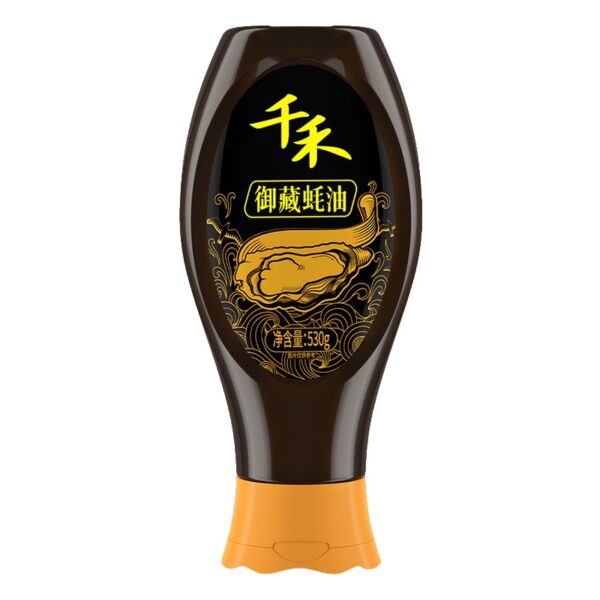
You can also invite customers to taste it, or offer it as a dipping sauce at a tasting or food stall. Solicit feedback. This will give you the opportunity to continuously improve your seasoned sauce recipe in the future, and even make it a branded product in the future. Qianhe can provide OEM customization for the catering industry. Welcome to choose Qianhe! Click here to learn more.
Conclusion
Matured, seasoned soy sauce recipes are indispensable to caterers in making food hits. Standardization and innovation can increase the competitiveness of the food offerings. Catering companies should attach importance to the application of seasoning soy sauce recipes and use them as an important strategy for brand building and market expansion.