Soy sauce is one of the main condiments for a dish. For example, light soy sauce can be used to add flavor to a dish, but some people confuse raw soy sauce with light soy sauce. The two are not the same. Next, we will learn the difference between the two soy sauces to avoid abuse in recipes.
What Is Raw Soy Sauce?
Raw soy sauce (often called “nama shoyu” in Japanese) is a naturally brewed product that skips the pasteurization step. This allows it to retain active enzymes and beneficial bacteria, resulting in a paler appearance, a cleaner aroma, and a softer, layered umami flavor.
It is particularly popular in Japanese cuisine for dishes like sushi and sashimi, where subtle flavors are prized. Its mild profile also makes it ideal for cold dishes, salad dressings, and as a finishing drizzle over steamed vegetables or tofu.
What Is Light Soy Sauce?
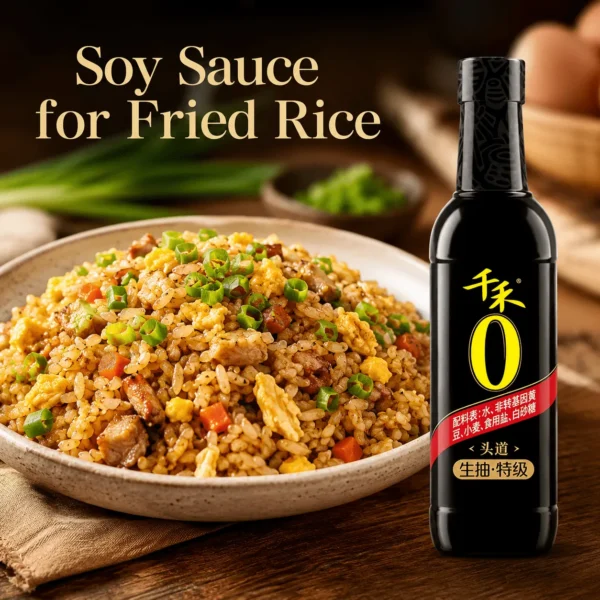
Light soy sauce, a key ingredient in Chinese kitchens, undergoes heat treatment during production to extend shelf life and stabilize its flavor. It delivers a sharper, salt-forward taste and is slightly darker in color than unpasteurized varieties.
This type of soy sauce is a kitchen essential for many households, perfect for seasoning, stir-fries, braises, and even as a dip for snacks like dumplings and noodles. Its bold flavor holds up well in various cooking methods.

Raw Soy Sauce vs Light Soy Sauce: A Detailed Comparison
| Feature | Raw Soy Sauce | Light Soy Sauce |
| Pasteurization | Unpasteurized, keeps live cultures | Pasteurized for longer storage |
| Flavor | Soft, fresh, and slightly sweet | Strong, salty, and more concentrated |
| Color | Light brown, semi-transparent | Reddish-brown and richer in tone |
| Best Uses | Sushi, salads, finishing touches | Stir-fries, braising, marinades |
| Cooking Suitability | Avoid high-heat applications | Works well across all cooking styles |
| Shelf Life (Unopened) | Store in cool, dark conditions | Room temperature storage is fine |
| Shelf Life (Opened) | Refrigerate and consume within 3–6 months | Refrigerate for prolonged freshness |
How to Store Raw Soy Sauce Properly
Since raw soy sauce is unpasteurized, it needs special care to maintain its freshness and safety:
Before Opening
Store the bottle in a shaded, cool area where it’s protected from heat and light to preserve its quality.
After Opening
Transfer the bottle to the refrigerator promptly after breaking the seal to maintain its delicate qualities.
Tips for Longer Shelf Life
- Make sure to close the bottle cap tightly after each use to minimize air contact and prevent the sauce from oxidizing or spoiling prematurely.
- Avoid pouring into other containers to minimize contamination.
- Do not leave the bottle sitting out at room temperature for extended periods.
Shelf Life
Once opened, try to use raw soy sauce within three to six months to enjoy its full flavor and aroma.
Watch for Spoilage:
- Unusual cloudiness or deposits
- Sour, off-putting odors
- Visible mold around the bottle’s opening
If you notice any of these, it’s best to dispose of the product.

Which One Should You Choose?
If your dish calls for a clean, delicate finish or you’re preparing raw foods, Raw soy sauce is the superior choice. For robust, heat-intensive recipes like stir-fries or braises, light soy sauce delivers a stronger, more resilient flavor. Keeping both types in your kitchen ensures you’re ready for any culinary challenge.
FAQ About Raw Soy Sauce vs Light Soy Sauce
Q1: Can raw soy sauce replace light soy sauce in hot dishes?
No. Raw soy sauce is not designed for high temperatures and should only be added to cold or finished dishes.
Q2: Does raw soy sauce offer more health benefits?
It may preserve more natural enzymes and antioxidants, but sodium levels are comparable to light soy sauce.
Q3: What’s the storage life of light soy sauce after opening?
Light soy sauce can last up to a year if refrigerated, though its flavor is best within the first few months.
Q4: Are either raw soy sauce or light soy sauce gluten-free?
Some brands are, but you should carefully review labels for a gluten-free mark if necessary.
Q5: Why does raw soy sauce spoil faster?
Because it’s unpasteurized, it is more sensitive to temperature changes and microbial activity.
Conclusion
Recognizing the difference between raw soy sauce and light soy sauce can help you choose the right soy sauce for your cooking. Proper storage, especially of raw soy sauce, can ensure that its unique flavor and quality are preserved. Whether you are making Japanese dishes or Chinese stir-fry, having both types of soy sauce in your kitchen can expand your culinary possibilities.