Oyster sauce export labelling must be reviewed market by market. The safe approach is to map the actual formula, process, cross-contact controls, and intended label against the rules of the destination country before artwork is approved. An importer should not assume that an allergen statement accepted in one market will be appropriate in another.
This checklist is for B2B buyers importing oyster sauce for retail, foodservice, or private label. It is a purchasing and document-control guide, not legal advice.
Start with the destination market and product route
First confirm whether the product will be sold as a prepacked retail item, supplied to foodservice, used as an ingredient, or filled under a private label. The label owner, importer of record, and manufacturer may have different responsibilities. Ask your regulatory team to confirm the final label wording for the actual market.
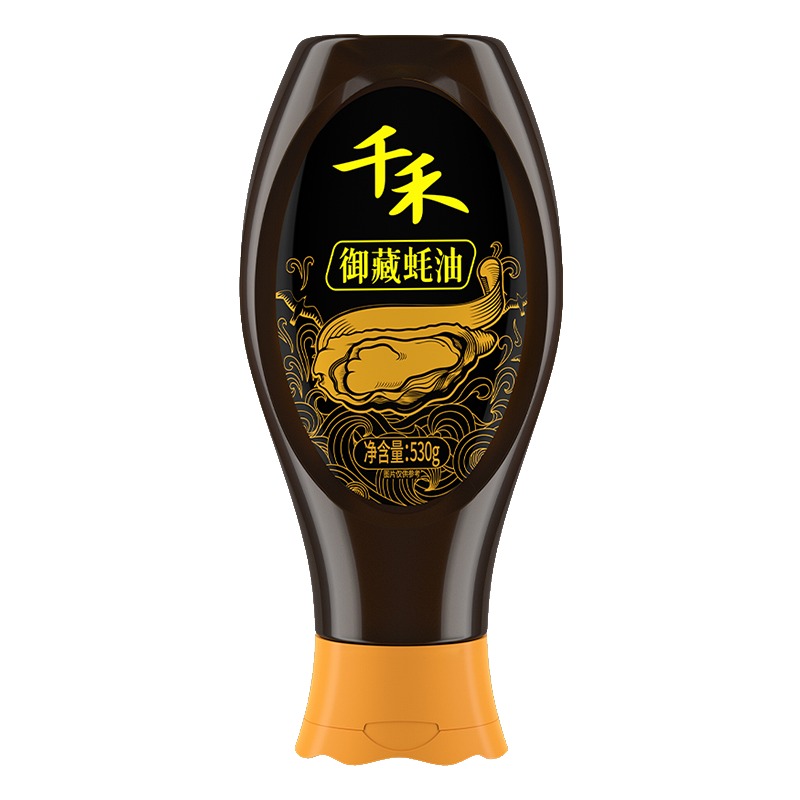
For product selection, begin with the oyster sauce range. If the project involves a custom formula, label, or package, document the approvals through the OEM process rather than relying on a general product page.
Understand the EU and U.S. distinction
The European Commission identifies 14 allergens that must be indicated when used as ingredients in foods sold in the EU; its list includes molluscs such as oysters. The same Commission guidance says allergens should be emphasised within the ingredient list. See the European Commission allergen guidance for the current framework.
In the United States, the FDA lists nine major food allergens: milk, eggs, fish, Crustacean shellfish, tree nuts, peanuts, wheat, soybeans, and sesame. Oyster is a mollusc, so do not make a U.S. labelling decision from an EU assumption. Review the full formula—soy, wheat, sesame, or other relevant ingredients may still trigger U.S. requirements. Use the FDA food-allergy guidance and a qualified market review before release.
Build a formula and allergen map
Ask the supplier for the market-specific ingredient declaration, sub-ingredient details where needed, and an allergen statement. Map every component against the destination-market rules. Do not stop at the product name; a sauce may contain soy, wheat, sesame, flavouring systems, or processing aids that need separate review.
- List all intentionally added ingredients and sub-ingredients.
- Identify allergens relevant to the target market.
- Record the source document and revision date for every conclusion.
- Check whether the formula is the same as the commercial sample.
- Confirm how formulation changes are notified and approved.
Check cross-contact and label-control evidence
Ask how allergen cross-contact is assessed and controlled in manufacturing and packing. This does not automatically determine the use of a precautionary statement. It tells your quality team what risk assessment and documentary evidence are available for the specific product. FDA guidance explains that advisory statements should not substitute for good manufacturing practices; EU guidance likewise links such statements to a risk assessment.
Request the current allergen-control statement, cleaning or segregation overview where appropriate, label-artwork approval path, and change-control procedure. Keep these documents with the approved technical specification.
Approve the final artwork, not just the wording
A technically correct wording can still be misplaced, unreadable, or inconsistent across versions. Before printing, verify the final artwork against the ingredient declaration, allergen emphasis rules, country language requirements, net-content statement, product name, storage statement, date coding, and responsible-business details.
For private label, use a controlled approval sheet with the artwork file name, revision, market, product code, language version, and sign-off roles. Prevent old cartons or labels from being used after a formula or regulatory change.
Documents to request before shipment
- current specification sheet and lot-specific COA;
- market-specific ingredient and allergen declaration;
- approved label artwork or label text pack;
- change-control commitment for formula, source, process, and label changes;
- packaging and shelf-life information;
- traceability and complaint contact details.
FAQ
Does an EU oyster-sauce label work for the U.S. market?
Do not assume so. The EU and U.S. allergen frameworks differ, and the full formula and intended pack must be reviewed for the destination market.
Can a supplier’s allergen statement replace importer approval?
No. It is an important input, but the importer and label owner should complete their own market-specific review.
What triggers a new label review?
Any change to formula, ingredient source, process, pack, target country, language, or relevant regulation should be assessed through a documented change-control process.
Next step
Include your target market, product application, pack format, and intended label route in the first inquiry. This makes it possible to request a relevant document pack and avoid late-stage artwork changes.