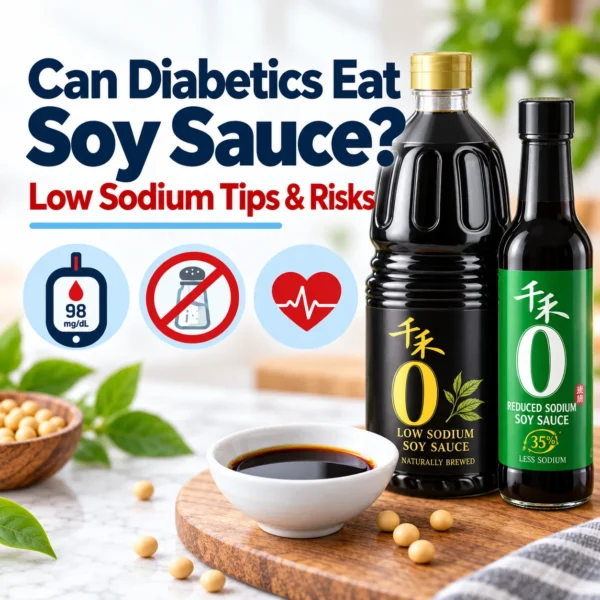
Kitchen problems face many of us every day. Our want is the lush and rich taste of soy sauce. However, the concern we have is the amount of salt we will be taking every day. This further leads to an inquiry we need to ask: Why does soy sauce contain less salt and still taste well? Magic is not the answer. The solution is the intelligent combination of cultural knowledge and modern technological advances in food. This write-up sets forth a discussion on the science responsible for low-salt soy sauce to conquer its health benefits. Additionally, we are going to present tips for you to enjoy delicious food and be healthy at the same time.
To know the low-salt soy sauce, we must first understand the essence of salt in traditional brewing. Salt is not only a condiment; it is much more than that. There are three key qualifications of salt in the soy sauce production process.
Getting the salt equilibrium right is a sign of a genuine brewer. Our ideas about “High-Salt Dilute Authenticity Brew™” are standard for flavor complexity. This old technique is the benchmark. The highest quality, the lowest salt versions try to achieve this through innovations that are scientific.
Producing yummy low-salt soy sauce is a real challenge for scientists. Quality producers do not simply dilute the sauce with water. They opt for one of the several clever alternatives. Comprehending their function will elucidate the science behind low-salt soy sauce and its health benefits.
Method 1: Physical Salt Removal
This avant-garde approach consists of initially making a soy sauce that is rich in flavor and then, removing some of the salt from it. A mechanism that is often used for such a process is dialysis or membrane filtration.Imagine a very specific, fine filter. The big molecules that contain plenty of flavor, color, and smell are unable to pass through the tiny holes in the filter. Conversely, the tiny chloride molecules are small enough to leave through, and thus, they can get washed away. This way not only is the original complexity of the brew maintained, but also, advanced technology is used, which can occasionally be expensive.Method 2: Controlled Low-Salt Fermentation
An additional method is the one in which the fermentation process is altered from the very start. This involves the use of strains of koji mold and yeast that are specially adapted to a low-salt environment.Creating these cultures means having a knowledge of microbiology that is out of this world. A brewer has to develop a process that prevents spoilage. It must create umami flavor without the specific high-salt levels that normally do that work. This is a true manifestation of the art of brewmaster skills at work. It originates flavor that is built from the ground up in a different environment.
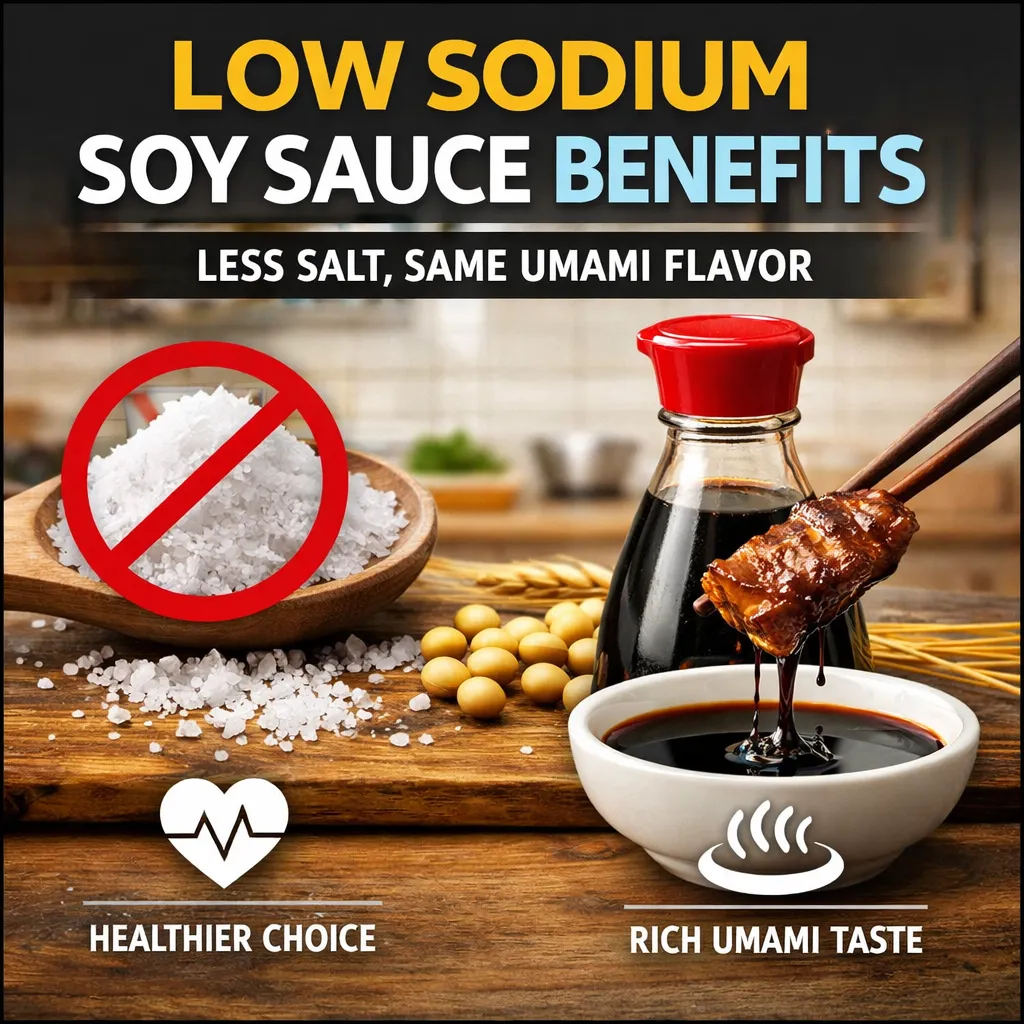
The central reason for choosing low-salt soy sauce should be health. The reduction of sodium may give you some concrete gains. Regular soy sauce can have from 900 to 1000 mg of sodium in one tablespoon. The low-sodium varieties usually decrease this quantity by around 40-60%. The figures are significant when one thinks of the daily limit of 2,000 mg advised by WHO for adults.
Supporting Healthy Blood Pressure
The connection between salt and high blood pressure is very high-profile. The excess salt in your body introduces more water into your blood vessels. This swelling fact causes pressure to rise on the vessel walls and blood-borne pressure increases. Adopting a low-salt soy sauce diet as a small, positive step toward managing your daily sodium intake is a simple thing to do. This move helps your heart.Reducing Bloating and Water Retention
Have you ever experienced being bloated or stuffed up after eating a meal that is had too much salt? That is your body’s way of saying that it is holding water to dilute the extra sodium you consumed. Using a sauce with less salt will let your body maintain a more natural fluid balance, thus, helping to reduce bloating and discomfort.