In today’s diversified condiment market, soy sauce seasoning faces both unprecedented opportunities and fierce competition. As consumer demands shift toward healthier, more unique flavors, the survival and growth of soy sauce seasoning depend on innovation, quality assurance, and strategic branding.
Innovation: The Key to Soy Sauce Seasoning’s Future
Flavor Diversification
To distinguish itself, soy sauce condiments need to broaden their range of flavor options consistently. A recent survey showed that 67% of consumers are willing to try new flavor variants, such as low-sodium, spicy, and infused soy sauces.
Health-Oriented Products
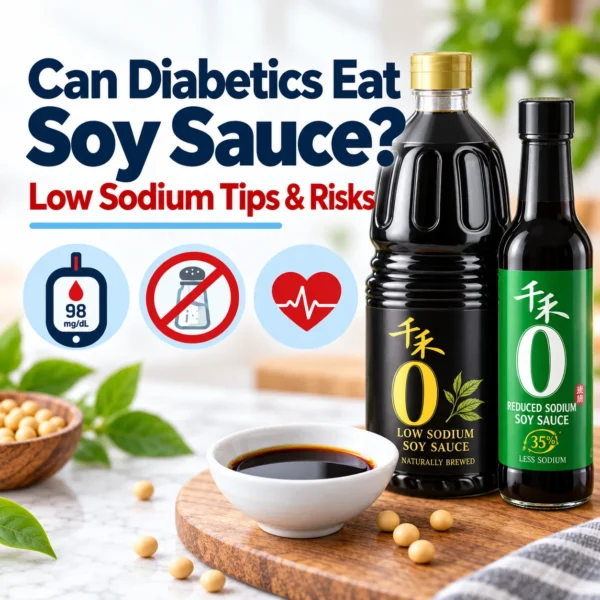
Health-conscious consumers drive demand for products with lower salt and sugar. According to market data, products labeled as “low-sodium” saw a 25% sales increase in 2024. Soy sauce seasoning producers must reformulate products without compromising taste to capture this segment.
Quality Assurance: Building Trust with Soy Sauce Seasoning
Strict Quality Control
Maintaining high quality is vital. Production facilities accredited under ISO 22000 standards guarantee that soy sauce condiments adhere to international food safety benchmarks. Regular microbial testing, chemical analysis, and sensory evaluation should be conducted every 500 production batches to maintain consistency.
Transparency and Certification
Items carrying organic or genetically modified organism (GMO)-free labels have a 40% higher chance of appealing to high-end consumers. Highlighting such certifications on packaging helps establish trust and differentiate soy sauce seasoning in a crowded marketplace.
 Qianhe
Strategic Branding: Elevating Soy Sauce Seasoning Above Competitors
Storytelling and Heritage
Consumers connect emotionally with brands that share their heritage. Telling the origin story of soy sauce seasoning — whether a 100-year-old brewing tradition or an artisanal approach — can increase customer loyalty by up to 30%.
Multi-Channel Marketing
Social media advertising will influence 58% of condiment purchase decisions by 2024. Effective strategies include:
- Collaborations with culinary influencers
- Interactive cooking tutorials featuring soy sauce seasoning
- User-generated content campaigns showcasing recipes
Expanding Horizons: New Applications for Soy Sauce Seasoning
Beyond Traditional Cuisine
Soy sauce seasoning must break free from being pigeonhole into Asian cuisine alone. Chefs are increasingly using it in unexpected dishes:
- Marinades for plant-based meats
- Savory cocktails
- Innovative desserts such as caramel-soy glaze on ice cream
This versatility could expand its global market share by approximately 15% in the next five years.
Partnering with the Food Industry
Bulk supply to restaurant chains and ready-meal producers offers significant growth opportunities. In 2024, B2B condiment sales rose by 12%, indicating strong potential if soy sauce seasoning brands can offer scalable, customizable solutions.
Conclusion
In conclusion, survival in today’s diversified condiment market requires soy sauce seasoning producers to innovate constantly, enforce strict quality measures, and strategically build their brand presence.
By embracing health trends, diversifying applications, and leveraging smart marketing, soy sauce seasoning can not only survive but also thrive in the evolving food landscape. As the market continues to grow, soy sauce seasoning must evolve with it, ensuring relevance and excellence for years to come.