Food manufacturers, together with retailers and brand owners, need to select reliable soy sauce powder suppliers because it ensures they can preserve their product quality standards. Soy sauce powder has gained widespread acceptance because it offers multiple uses, extended storage capabilities, and simple transportation options.
A supplier’s strength is assessed in more detail than just their price. The most reliable method to assess supplier strength involves testing samples. The thorough evaluation process enables buyers to assess different soy sauce powder characteristics for making well-informed decisions
I. Introduction
In a dry, manageable form, soy sauce powder provides the concentrated flavor of conventional soy sauce. However, not all suppliers offer consistent quality. In order to prevent problems such as inconsistent flavor, microbial contamination, or failure to adhere to food safety regulations, purchasers need to evaluate suppliers using thorough sample testing.
This article explains the sample testing process and how it reflects the strength and reliability of a soy sauce powder supplier.
II. Four Basic Processes of Sample Testing
The four primary phases of sample testing are microbial analysis, physical and chemical index testing, preliminary sensory evaluation, and sample collection. Essential information about the safety and quality of soy sauce powder products is provided at each stage.
1. Sample Collection
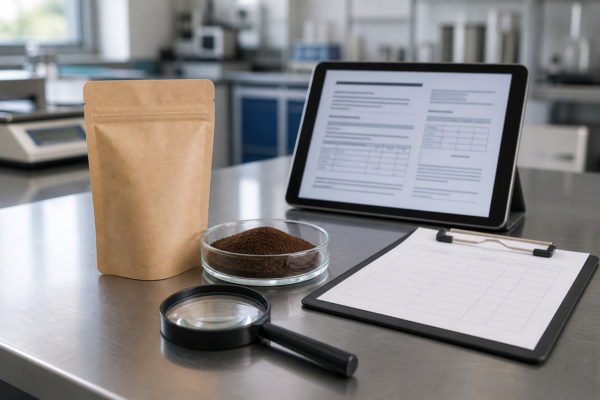
The correct collection of representative samples is the first step towards effective testing. Random sampling should be conducted across multiple batches to ensure that the soy sauce powder is consistently manufactured.
- Random Sampling: To record production variability, take samples at random from various lots.
- Storage and Transportation: Samples should be transported in sealed, food-grade containers under controlled conditions (e.g., low humidity, moderate temperature) to avoid contamination or degradation.
2. Preliminary Sensory Testing
Sensory testing is a quick yet informative method to assess the quality of soy sauce powder.
- Appearance: High-quality soy sauce powder should exhibit a uniform fine texture with consistent color. Granules that are lumping, discolored, or uneven could be signs of inadequate drying methods or subpar components.
- Smell: There should be no off-notes, such as chemical or rancid smells, and the aroma should be deep, savory, and slightly sweet, as is typical of fermented soy sauce.
- Taste: A premium product will deliver balanced saltiness, umami, and depth of flavor. Excessive saltiness or lack of depth could reflect subpar raw materials or improper processing.
3. Physical and Chemical Index Testing
Analytical testing is required to gauge the functional properties of soy sauce powder.
- Amino Acid Nitrogen Content: Indicates the degree of protein hydrolysis. Higher values generally mean a richer umami taste.
- Salt Content: Important for flavor balance and preservation. Batch-to-batch consistency is crucial.
- Total Nitrogen Content: Reflects the overall nitrogenous compounds, which affect both nutrition and taste.
- Moisture Content: Should be low to ensure shelf stability and prevent microbial growth.
4. Microbial Testing
There is no negotiating microbial safety. Strict hygienic procedures should be followed by trustworthy suppliers of soy sauce powder to guarantee that their goods are fit for human consumption.
- Total Colony Count: High counts may indicate inadequate sanitation or improper storage.
- Coliform Group: Presence suggests contamination by fecal matter and unsanitary handling.
- Pathogenic Bacteria: Testing should confirm absence of harmful organisms such as Salmonella or Listeria.
- Sanitary Conditions: Reflect the overall hygienic conditions and cleanliness of the manufacturing setting.

III. Judging the Strength of Suppliers Through Test Results
Following receipt of the test results, the buyer can assess the supplier’s overall strength using the following standards:
1. Compliance with National and Industry Standards
Premium soy sauce powder ought to meet or surpass national and international food safety regulations. Strong quality control is demonstrated by a supplier who consistently achieves high benchmark results.
- Suppliers should provide Certificates of Analysis.
- Cross-referencing test results with standards like GB/T 18186 or Codex Alimentarius can indicate compliance and reliability.
2. Stability Across Batches
Evaluating multiple batches of soy sauce powder helps assess production stability.
- Low variation in key parameters (amino acid nitrogen, salt, moisture) indicates a well-controlled manufacturing process.
- High variability may suggest inconsistent raw materials or poor process management.
3. Microbial Safety and Additive Control
Strong suppliers strictly monitor microbial levels and refrain from using unauthorized additives.
- Reliable producers have traceability systems and conduct regular in-house or third-party testing.
- A clean microbial profile across samples shows commitment to food safety.
4. Sensory and Functional Superiority
- Sensory qualities (flavor, aroma, solubility) differentiate premium soy sauce powder from generic products.
- Suppliers should demonstrate strong umami characteristics and good solubility in both hot and cold liquids.
- Functional tests in practical applications (e.g., seasoning for snacks or sauces) help verify real-world performance.
IV. Supplementary Evaluation Beyond Sample Testing
While sample testing is vital, other factors also reflect a supplier’s strength and professionalism.
1. Production Equipment and Technology
Strong suppliers often combine traditional fermentation knowledge with advanced spray-drying or freeze-drying equipment.
- Advanced equipment ensures better control over moisture, particle size, and flavor retention.
- The ability to innovate and adapt to market trends also shows a supplier’s growth potential.
2. Certifications
A supplier’s dedication to quality and safety is confirmed by third-party certifications.
- ISO 9001: General quality management.
- HACCP: Hazard analysis and critical control points.
- FSSC 22000 or BRC: High-level food safety standards.
These certifications provide additional assurance of consistent and safe soy sauce powder production.
3. Industry Reputation
A supplier’s reputation among peers and clients is a powerful trust indicator.
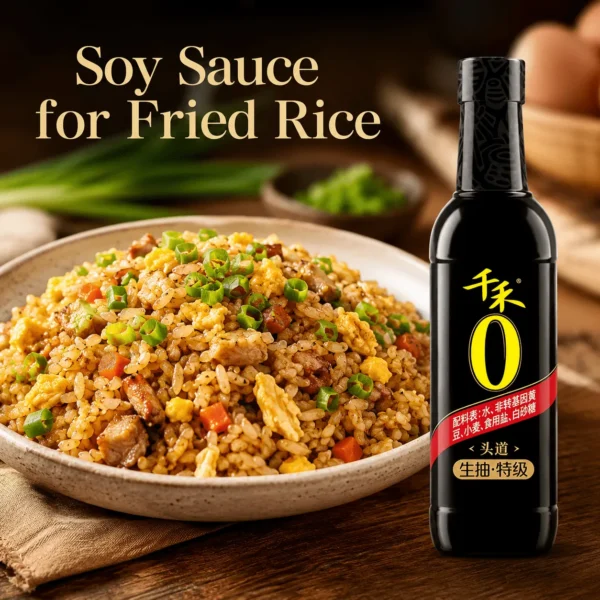
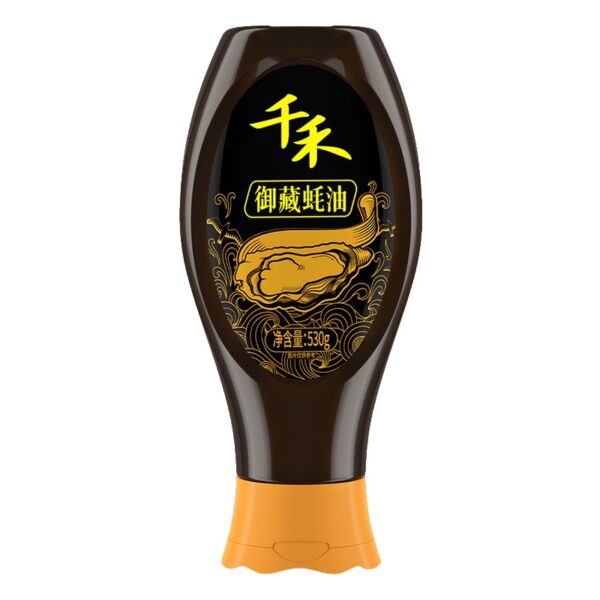
- Qianhe, for example, is a leading soy sauce brand in China with a proven record of high-quality production and It has supplied soy sauce powder to international clients, showcasing robust quality and service standards.
4. Client Portfolio
Top-tier suppliers often serve well-known retail and food service brands. Suppliers that have long-term partnerships with global companies like Wal-Mart and Ito-Yokado signal dependable performance and quality.
V. Conclusion
Businesses must make a crucial decision when choosing a supplier of soy sauce powder. The scientific evaluation of product quality through sample testing includes sensory and chemical and microbial attribute assessments.
The evaluation process should include equipment assessment together with certifications and industry reputation and client relationships. Qianhe food stands as a trustworthy global market option because it unites traditional expertise with modern quality assurance practices. Businesses that use evidence-based data to make their decisions will establish better supply chains which produce higher-quality products for their customers