It is difficult to tell the good soy sauces from the great ones just by looking at the shelf. The numerous bottles look the same, but their flavor can be totally different. Don’t worry, we will give you practical tips on how to take a look at and size up the specific ingredients.
Soya Beans
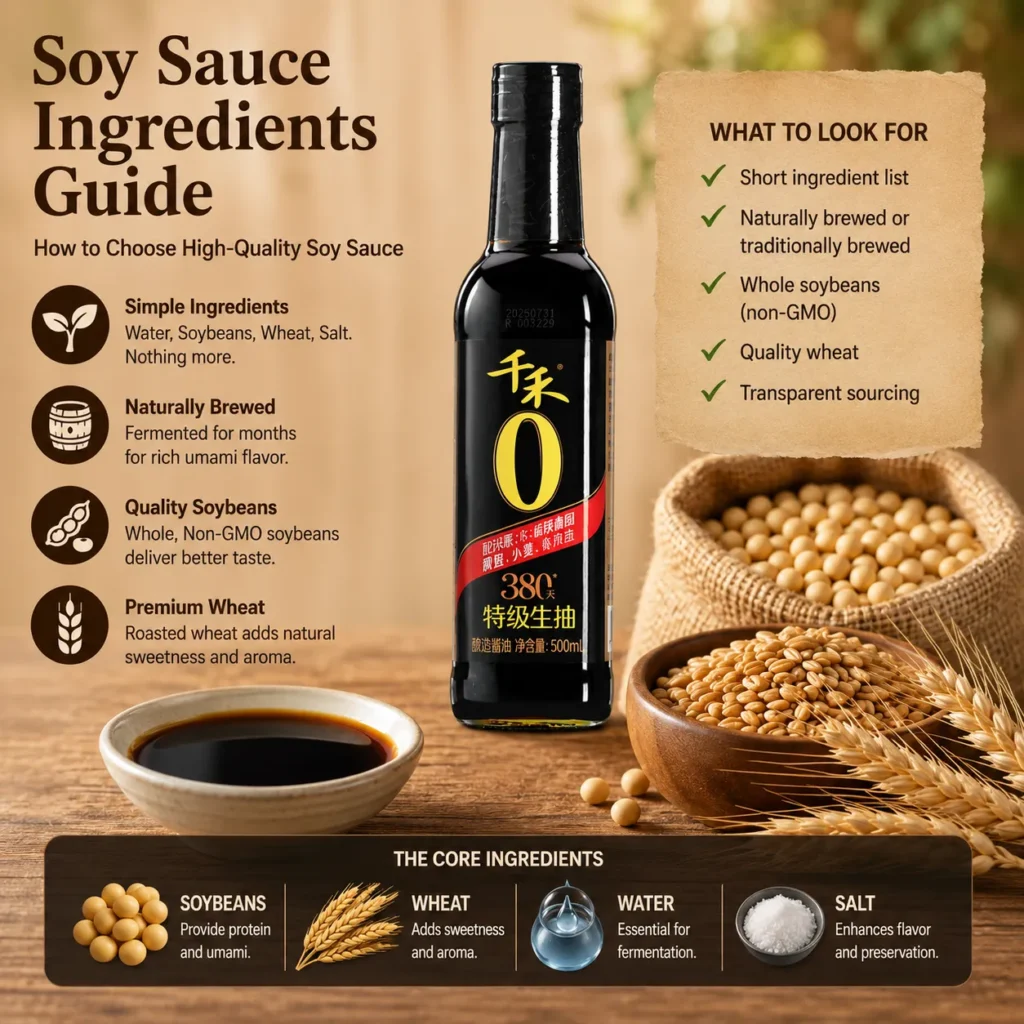
Soybeans make sure that soy sauce has its protein content. The protein during brewing is broken down into amino acids, one of them is glutamate. This causes the sauce to have the more comforting and delicious taste of umami. The quality of the beans is the key determinant of the final taste.The soy beans with 1.0% to 1.65% of the total nitrogen (which is the measure of the protein from the soybeans) and more proteins give more chance for the soy sauce to be rich in umami flavor.Evaluating the Quality of Soya Beans: A Primer
It is crucial to realize the things that mark soya beans as good. This is the basic way of knowing the steps to select premium soya beans and wheat. Not every bean is the same. The differences become apparent in the end product sauce.The guide details the necessary tests you need to carry out.Table: Soya Bean Quality Indicators
What to Look for on the Label
Careful reading of the label can help you find this information. Look for terms like “Whole soybeans are used” or “Non-GMO soybeans are used.”Quality brands usually let you know the origin of their beans. They take pride in the ingredients they use. They will include that information either on their package or website.The Wheat-to-Soya Bean Ratio
The ratio of wheat to soya bean is what differentiates one soy sauce from the other. This is fundamental in any guide that points out the soy sauce components.More wheat is used in Japanese shoyu. This results in a sweeter, more fragrant, and thinner sauce. It goes well with dipping.Chinese sauces or tamari, which have low or no wheat, are usually found without wheat. This results in a darker, more umami, and less sweet flavor. It fits really well with hearty stews and marinades.
This section gives you the simplest steps for smart shopping. By following this guide to finding soy sauce components, you will be able to choose the right one that suits you best.
Step 1: Read the Ingredients List Totally
Take a bottle of soy sauce, and focus on it. The good ingredients list must be very short: Water, Soybeans, Wheat, Salt.On the lookout for the red flag. The presence of hydrolyzed soy protein, corn syrup, colorants (like caramel color), MSG, and preservatives as ingredients suggest the product is of lower quality. Such mean chemical production. It is better to stay away from sauces with added preservatives or unnecessary additives.