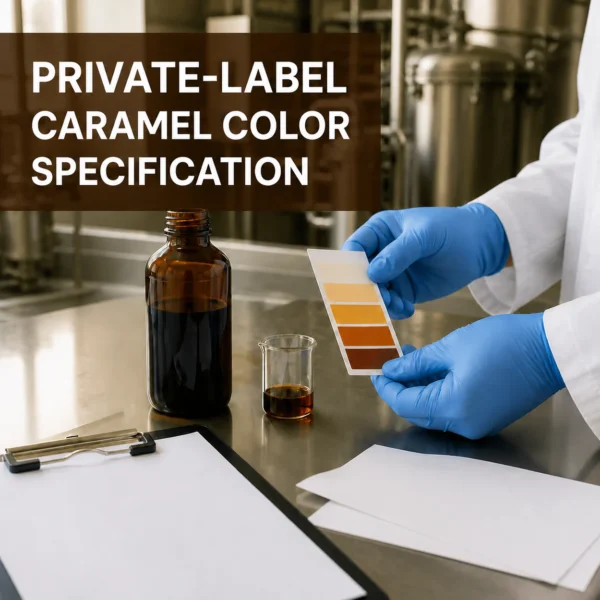
Caramel color, a widely used food additive, provides appealing brown shades to countless products. Produced in several classes, including Caramel E150D, it enhances the appearance, stability, and consistency of beverages, sauces, and baked goods while meeting diverse industry demands.
1. What Is Caramel Color?
a. Definition
Caramel color, widely known in the food industry as Caramel E150D when referring to one of its most stable forms, is among the most extensively used color additives in global food production. It is created through the controlled heating of carbohydrates and provides a broad range of brown tones that enhance both appearance and consumer perception. Today, caramel color accounts for more than 90% of all coloring agents used in beverages and processed foods, underscoring its vital role in modern formulations.
b. What It Is Made From
The raw materials for caramel color typically include glucose, sucrose, or invert sugar, which undergo controlled heating. Depending on the production process, other compounds such as ammonium or sulfite salts may be introduced to influence color intensity, stability, and solubility. Caramel E150D is created through the use of ammonium together with sulfite compounds, a process that gives this variety exceptional stability and broad versatility compared with other caramel types.The final result is a water-soluble dark brown liquid or solid powder used in beverages, baked goods, sauces, and more.
2. How Is Caramel Color Produced?
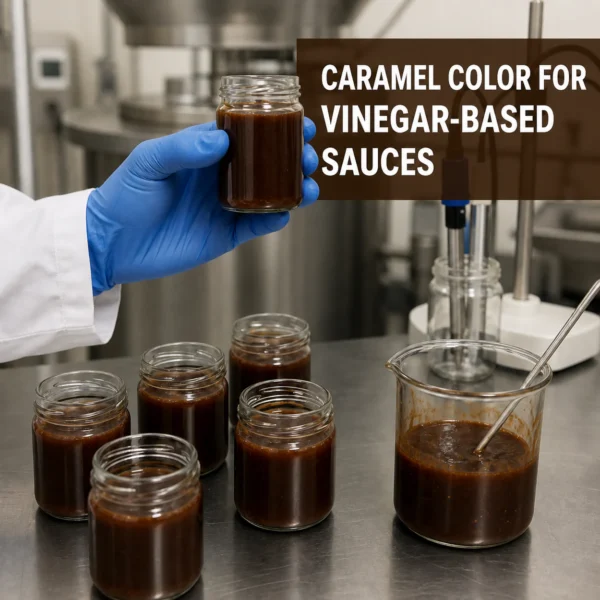
The production of caramel color involves heating carbohydrates to a temperature range of 120–180 °C, often under pressure, with the addition of specific reactants such as acids, alkalis, ammonium compounds, or sulfites. This process is known as controlled caramelization. Unlike simple home caramelization, where sugar melts and browns quickly, industrial processes are optimized to achieve precise hues and functionalities.
This creates a strong, negatively charged pigment that is highly stable in acidic beverages such as soft drinks. Its stability in pH levels as low as 2.5 makes it ideal for cola formulations, where clarity and long shelf life are essential.
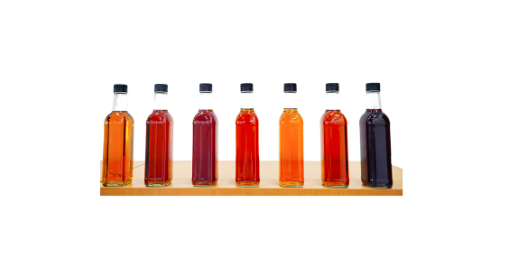
Caramel color is divided into four categories, each with unique chemical characteristics and applications.
- Class I: E150a – Plain Caramel
E150a is manufactured without ammonium or sulfite reactants. Often referred to as plain caramel or caustic caramel, this type produces a mild, brown hue.

- Class II: E150b – Sulfite Caramel
This type is created using sulfite compounds (such as sodium sulfite or potassium bisulfite) but no ammonium compounds. Known as caustic sulfite caramel, E150b imparts a slightly stronger shade and is frequently used in spirits like sherry or brandy.

- Class III: E150c – Ammonia Caramel
Produced with ammonium compounds but without sulfites, E150c, or ammonia caramel, has a more intense reddish-brown hue. It is widely applied in baked goods, sauces, and savory seasonings due to its richer tones
- Class IV: E150d – Sulfite Ammonia Caramel
The most technically advanced category, Caramel E150D, is formed in the presence of both ammonium and sulfite compounds. Its strong negative charge ensures high solubility and stability, even in acidic conditions. This property explains why Caramel E150D is the primary choice for carbonated beverages like cola, which represents an industry consuming more than 70% of this caramel type globally.
4. What Are the Uses of Caramel Color?
Caramel color serves multiple functions beyond aesthetics.
- Color Standardization:It ensures product batches look identical, critical for brands.
- Flavor Perception:Darker hues often influence consumer perception of richer taste.
- Functional Properties:Certain classes, especially Caramel E150D, enhance colloidal stability, preventing precipitation in acidic drinks.
5. Is Caramel Color Safe to Consume?
Global food safety authorities, including the U.S. FDA, European Food Safety Authority (EFSA), and WHO/FAO JECFA, classify caramel color as safe when consumed within acceptable daily intakes (ADI). For Caramel E150D, the EFSA has set an ADI of 300 mg/kg body weight per day, a level far higher than typical consumer intake.
However, studies indicate that the levels present in foods are significantly below thresholds of toxicological concern. For example, a 355 ml can of cola contains approximately 50–60 µg of 4-MEI, which is considered safe within dietary exposure limits.
6. Common Foods and Beverages Using Caramel Color
Caramel color is nearly ubiquitous across food industries. Examples include:
- Soft Drinks: Over 70% of Caramel E150Dproduction is used in colas and dark sodas.
- Baked Goods:E150a and E150c provide warm tones in bread, cakes, and cookies.
- Alcoholic Drinks:Whiskey, beer, brandy, and liqueurs often use E150b or E150c for consistent color.
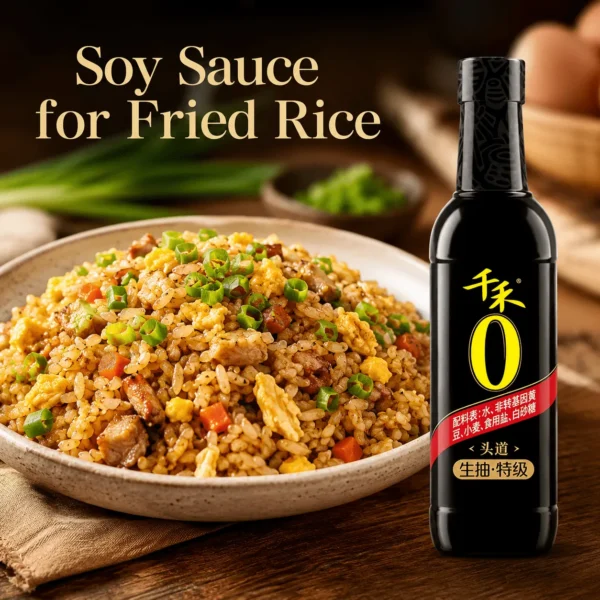
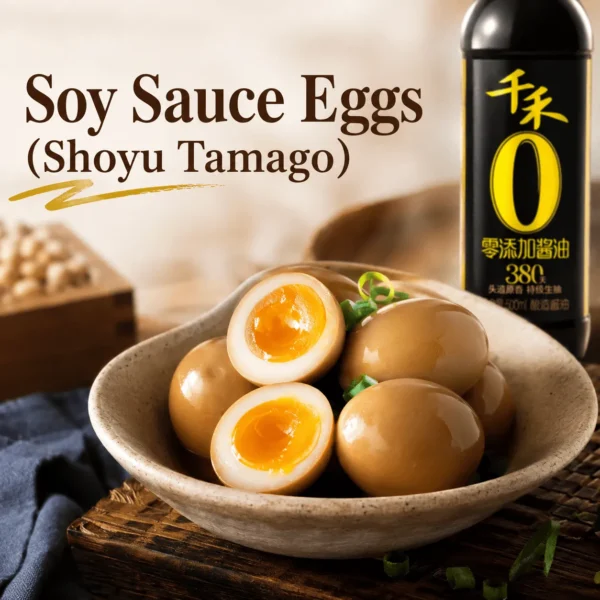
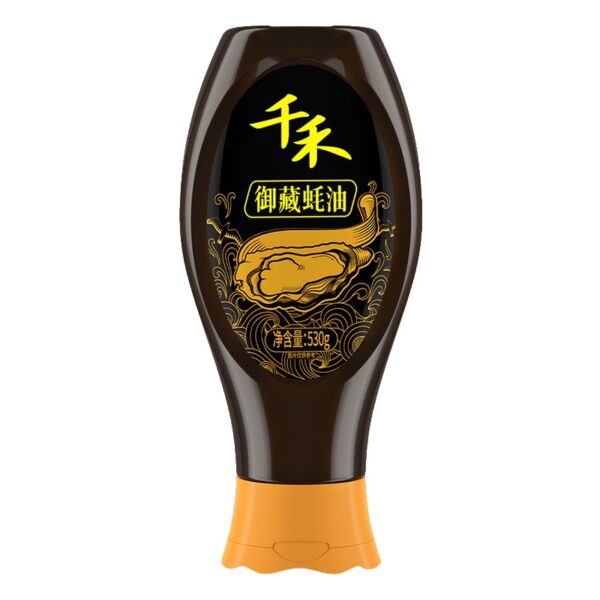
- Sauces and Condiments:Soy sauce, gravy, and barbecue sauces benefit from its stable dark shades.
- Confectionery and Dairy:Caramel-flavored puddings, custards, and chocolates employ lighter caramel hues.
According to market surveys, global caramel color production exceeds 275,000 metric tons annually, highlighting its scale of importance.
7. Conclusion
Among its four categories, Caramel E150D stands out due to its exceptional solubility and acid resistance, making it indispensable for the soft drink industry. Scientific evidence confirms its safety within regulated intake levels, while its versatility ensures widespread use across beverages, baked goods, sauces, and more.
For manufacturers, selecting the right caramel type is essential not only for achieving desired aesthetics but also for maintaining product performance and consumer trust. As food technology continues to evolve, caramel color—particularly Caramel E150D—will remain a cornerstone of the global food and beverage sector.