It is very easy to think soy sauce is nothing special. It, however, gives many people headaches. Should you store it in the fridge or pantry? Can dark soy sauce be saltier than light? Is organic necessarily a higher quality? This publication is a clear explanation of scientific findings.
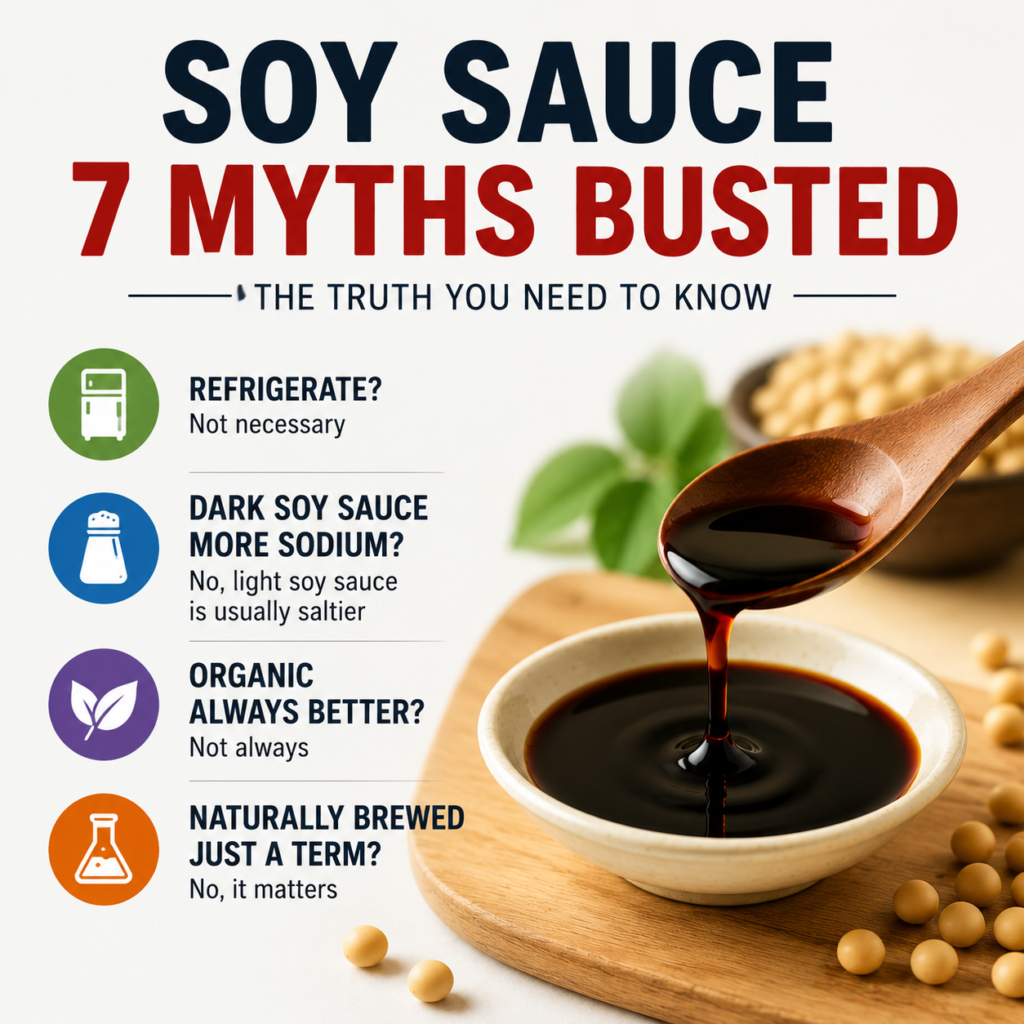
Soy sauce brands show different numbers of sodium. For example, the amount of sodium in a tablespoon of light soy sauce can be more than 1000mg. The level of sodium in dark soy sauce for the same serving can vary in the range of 700-900mg. A prevalent belief is that dark soy sauce is saltier. It may result in dishes lacking taste and color.
In most cases, “organic” and “gluten-free” suggest a “healthier” or “better” product. However, it is not simple with soy sauce. The truth is that these labels refer to specific things, not the overall quality at all.The term “organic” is related to the methods of farming soybeans and wheat. If you like to buy organic products, then the organic soy sauce is a good option for you. On the other hand, it is not a guarantee that it will taste good or have a more complex flavor. The quality of soy sauce is determined by the manufacturing process and not merely the raw materials used.“Gluten-Free” soy sauce is typically Tamari. This is a Japanese type brewed with little to no wheat. It is indispensable for people diagnosed with celiac disease or having gluten sensitivity. For the rest, it mainly boils down to taste. Tamari generally has a more intense, richer, and less sweet taste than regular soy sauce. Unless you are medically required to avoid gluten, this is not a healthier option at all.The genuine indicator of “better” soy sauce is the method of brewing it. By the standards of naturally fermented soy sauce, it will always be richer and more satisfying. This is the case regardless of organic or gluten-free. Artificially synthesized soy sauces are inferior.
Let’s hastily address some other common points of confusion about the essential condiment.
Myth 4: All Soy Sauce is the Same
This couldn’t be further from the truth. The universe of soy sauce is indeed very versatile and abundant. Chinese soy sauces (light and dark) are not the same as Japanese shoyu (often sweeter) and tamari (richer, less wheat). Indonesian kecap manis is a thick, and sweet soy sauce. Every one of them has a unique taste and a specific application.Myth 5: Soy Sauce is Unhealthy Because It’s High in Sodium
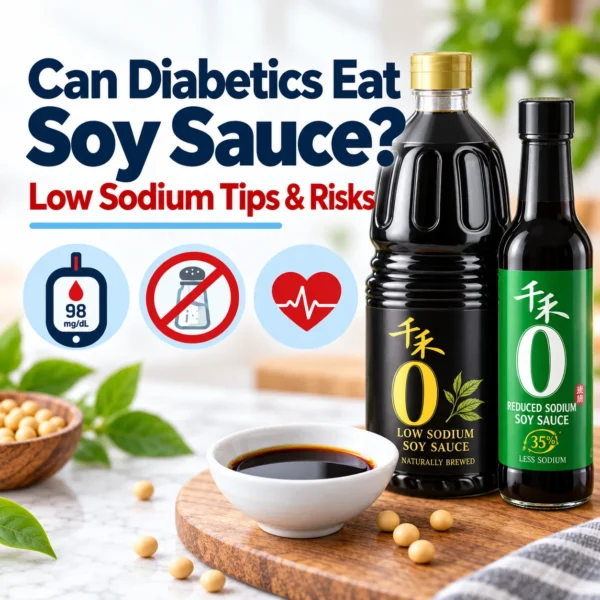
Contrary to popular belief, soy sauce is not low sodium. Yet, it is a condiment that can be used in a small quantity to season an entire dish. The secret, just like any other ingredient that contains salt, is to use it sparingly. It has become a common option for those who monitor their health as it also comes in reduced-sodium variants. Instead of seeing it as a way to add a salty taste, the main goal should be to learn how to use it for building flavor.Myth 6: The Color Indicates the Age or Quality
This is partially correct but mostly wrong. Aging traditional soy sauce does indeed darken it but some producers have artificially colored their dark soy sauces with caramel. This does not result from a prolonged aging process but rather a marketing gimmick. A real outstanding soy sauce comes directly from the brewing process. The flavor intricacies acquired throughout fermentation are an example of the brew’s richness.Myth 7: “Naturally Brewed” is Just a Marketing Term
One of the most significant differences possible is that ‘naturally brewed’ signifies that soy sauce is produced following classical fermentation processes. In this course, the soybeans and wheat are cultivated, then they are mixed together and aged for a couple of months. This slow fermentation process introduces famous hundreds of molecules that have smell. The other approach is to go for chemical hydrolysis. This is a process involving acid that causes the soy proteins to break down (hydrolysis) in days. This results in crude, one-dimensional flavors. Every aspect of the product falls short.
The choice of soy sauce is a predominant factor when we are preparing a dish. It is not merely about adding salt. It is a process of constructing a flavor profile layer by layer. Optimal soy sauces manage to attain a state of neutroclastic transmutation, i.e. they are balanced in saltiness, umami (deep, savory taste), and aroma. This outcome is the result of aging through time.That is the main reason why we regard High-Salt Dilute Authenticity Brew™ as the top tier choice. This particular method is aimed at such profundity of flavor that it takes a long period to create. It is not a process that can be forced or done with chemical components. This enlightenment gives you the expertise to choose and apply soy sauce like a true chef.
Shun the myths, and make sure to internalize the debunked ones. For the refreshments, it is about the quality not the safety. Light soy sauce is for the salt whereas the dark one is for color. Instead of putting the rules in memory, you should think about the utility of the soy sauce: Is it salt? Is it color? Is it rich dipping flavor? Rely on your taste buds, try different sauces, and make variations.