From Sugar to Color: E150a Production Process
The process of producing E150a is straightforward and very much known. It’s made by heating carbohydrates in a controlled manner. These are simple sugars such as glucose or sucrose.This heating process is called caramelization. It is very similar to the process of making caramel candy at home. The unique part of E150a is that no additive is included. There aren’t any other chemical compounds used. Ammonia or sulfites are not added during the production. Hence, it’s called “plain” or “caustic” caramel.What E150a Does in Your Food
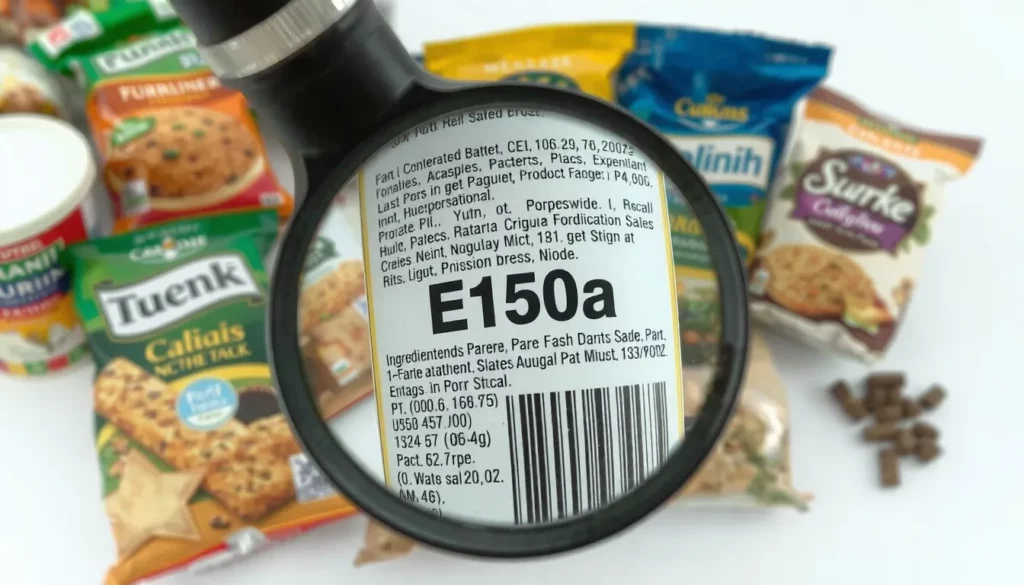
The main purpose of E150a is to give or replace the color. It works in both food and drinks. Sometimes processing removes the natural color. E150a helps to restore the original brown hue.Beyond color, it can also add a very light flavor. In some cases, it can change the thickness of the liquid slightly. This fact aids you in better understanding how to read food ingredient labels. E150a explained here has multiple jobs.
The most significant thing about all food additives is the following: Is it safe? In the instance of E150a, we have a lot of persuasive arguments.