Soy sauce—originating in the East and now an umami staple in kitchens around the world—is far more than a simple condiment. It is the finishing touch that brings a dish to life, the bridge between everyday home cooking and a restaurant-level experience. Yet its flavor and quality are not timeless. Whether it’s the rich, full-bodied depth of dark soy sauce or the fresh, delicate profile of light soy sauce, the moment a bottle is opened, it begins a subtle dialogue with time. Accurately identifying changes in quality and applying proper storage methods is not only about food safety, but also an art of preserving pure flavor in every meal.
To help keep the soy sauce in your home at its best, we’ve put together this complete guide—from recognizing quality changes to proper storage.
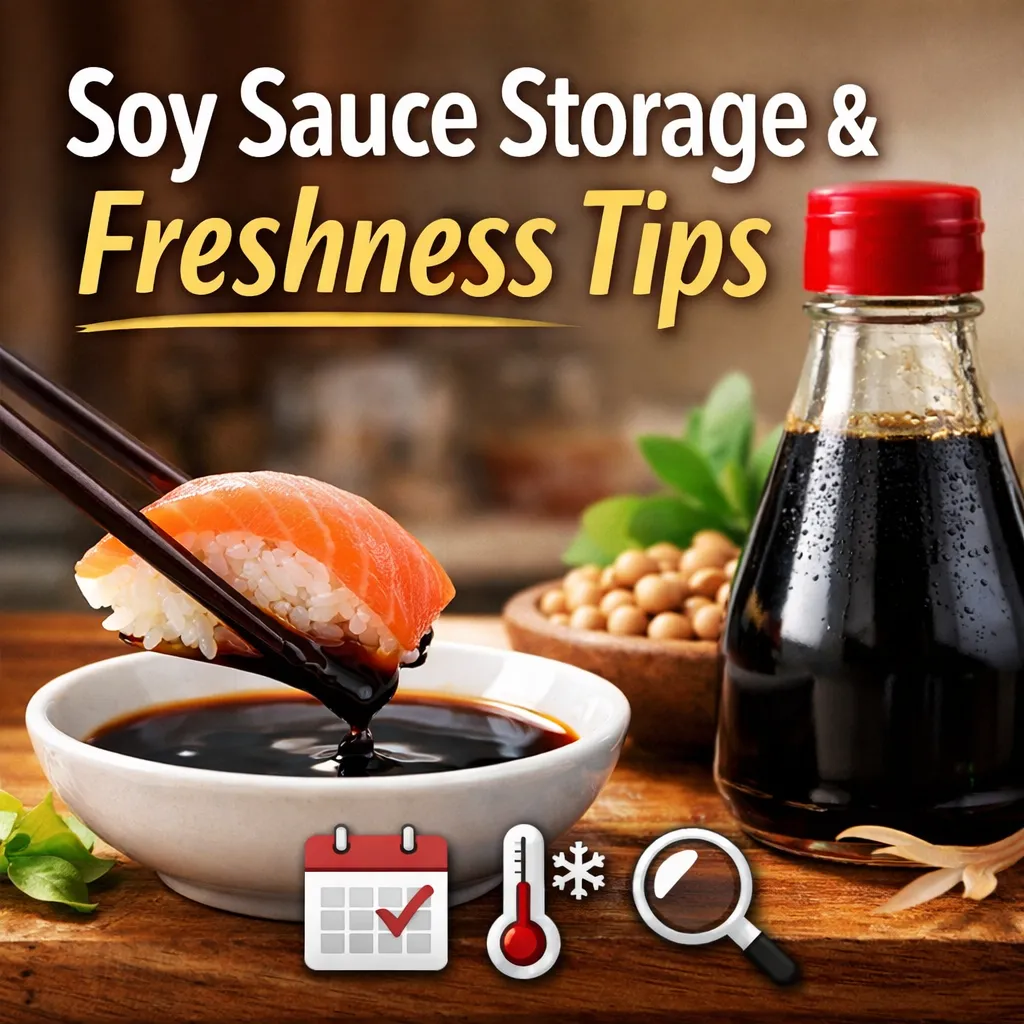
Although soy sauce benefits from the natural durability that comes with fermentation, it is not everlasting. Most bottles are labeled with a “best before” or “best by” date. This is not a strict expiration date, but rather the manufacturer’s guarantee of peak flavor and quality up to that point.
For this reason, while the date on the bottle is a helpful starting point, it should not be your only reference. Always combine it with sensory evaluation—smell, appearance, and taste—especially if the bottle has been opened for more than a year.
Your senses are powerful tools for assessing food quality. Here are the key signs to watch for:
Color and Texture
Fresh soy sauce should appear clear, glossy, and evenly colored—typically a deep brown. If you notice cloudiness, a hazy appearance, unidentified floating particles, stringy or flocculent clumps, mold spots on the bottle wall, or unusual sediment that was not present before, these may indicate microbial growth.
In addition, significant color changes—such as turning grayish, excessively reddish, or noticeably faded—should be treated as clear warning signs of quality deterioration. In such cases, handle with caution or discard the product.Changes in Aroma
When a bottle of fresh, high-quality soy sauce is opened, it should release a complex, pleasant, and well-rounded aroma. If instead you detect sour notes, alcoholic or lees-like odors, mustiness, or an aroma that is flat or almost absent, this often signals undesirable bacterial or yeast activity or overall flavor degradation. These are clear indicators of over-fermentation or the early stages of spoilage.
This step is especially important when soy sauce is used as a finishing touch—such as drizzled over sushi, cold noodles, or dumplings—where its flavor is presented directly and unmistakably.
Proper storage can significantly slow quality deterioration and help preserve the original flavor.
Rule 2: Keep Usage Clean
Use a clean, dry spoon or pour directly from the bottle. Avoid introducing tap water, oil residue, or other contaminants into the bottle, as these can introduce unwanted microorganisms.Rule 4: Choose an Appropriate Package Size
Select a bottle size that matches your household’s usage. Large bottles that take a long time to finish may gradually lose flavor through repeated opening and closing. Smaller packages help ensure that every use delivers the freshest possible first taste.