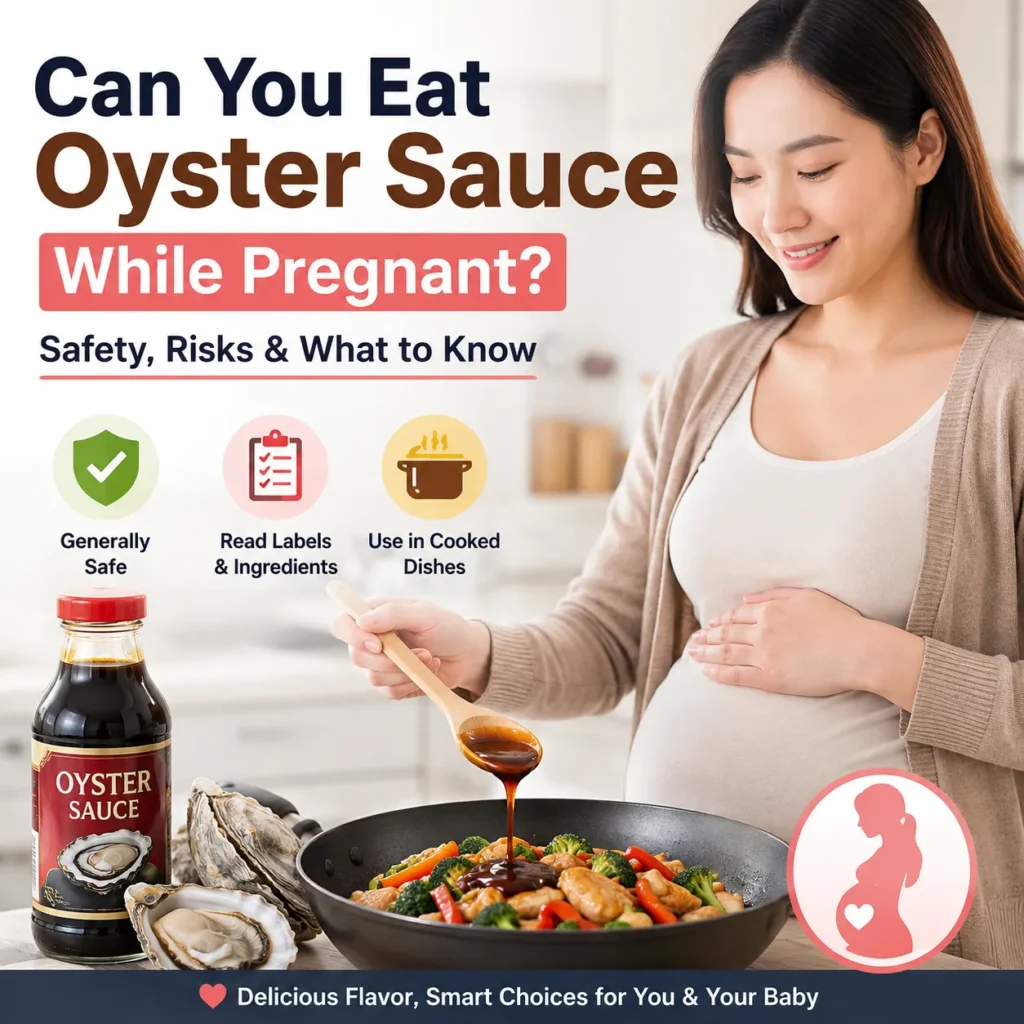
The issue of food safety in pregnancy can be quite challenging to deal with. You want to feast on delicious dishes, but at the same time, you also want to ensure each and every ingredient is safe for both you and your unborn baby. Many people ask about oyster sauce, which is used in many great stir-fries and marinades.
Yes, it is generally considered safe to eat store-bought oyster sauce during pregnancy. A lot of mothers-to-be are concerned about this question, and the answer brings relief to the many people who adore its delicious flavor.The most important aspect is that the oyster sauce is from a trustworthy brand, stored in the right manner, and consumed in thoroughly prepared dishes. The primary concerns about seafood during pregnancy do not exist here. For instance, the bacteria present in raw shellfish are not an issue in this processed and cooked sauce. Oyster sauce is generally safe to eat during pregnancy, as many sources have mentioned.This article will present the reasons why it is safe. We will explain what to look for on the label and guide you on how to manage issues like sodium content. In this way, you will feel assured and secure in its use.
The primary worry about oyster sauce comes from good advice. Medical practitioners often recommend eliminating some seafood from the diet of pregnant women. This recommendation is given due to the risks associated with raw or undercooked shellfish. Uncooked shellfish can be home to harmful bacteria like Vibrio.However, this risk is completely removed when produced by commercial oyster sauce manufacturers.The sauce is made with oyster extracts. They are liquids from boiling oysters, which are then cooked again at high heat with other ingredients, such as sugar and salt, before being bottled.This high-heat cooking method resembles the process of pasteurization, which means no bacteria can survive. The sauce is generally heated during preparation, which lessens the possibility of foodborne illnesses.You might visualize it as the difference between raw milk and the pasteurized milk you buy at the supermarket. The processing is what makes it safe for everyone, including mothers-to-be.