Skip to content
Search
Search
HOME
PRODUCTS
Close PRODUCTS
Open PRODUCTS
Concentrated Soy Sauce
Soy Sauce Powder
Solidified Soy Sauce
Raw Soy Sauce
Soy Sauce
Light Soy Sauce
Dark Soy Sauce
Low Sodium Soy Sauce
Organic Soy Sauce
Seasoned Soy Sauce
Sashimi Soy Sauce
Gluten-Free Soy Sauce
Seasoning
Vinegar
Oyster Sauce
Cooking Wine
Caramel Color
Caramel Color Liquid
Caramel Color Powder
OEM SERVICE
Close OEM SERVICE
Open OEM SERVICE
Finished Product Wholesale
OEM & Private Label
Raw Ingredients Wholesale
QUALITY
RESOURCES
Close RESOURCES
Open RESOURCES
Blog
Exhibition
ABOUT US
Close ABOUT US
Open ABOUT US
Company Profile
Soy Sauce Museum
CONTACT
Get Instant Quote
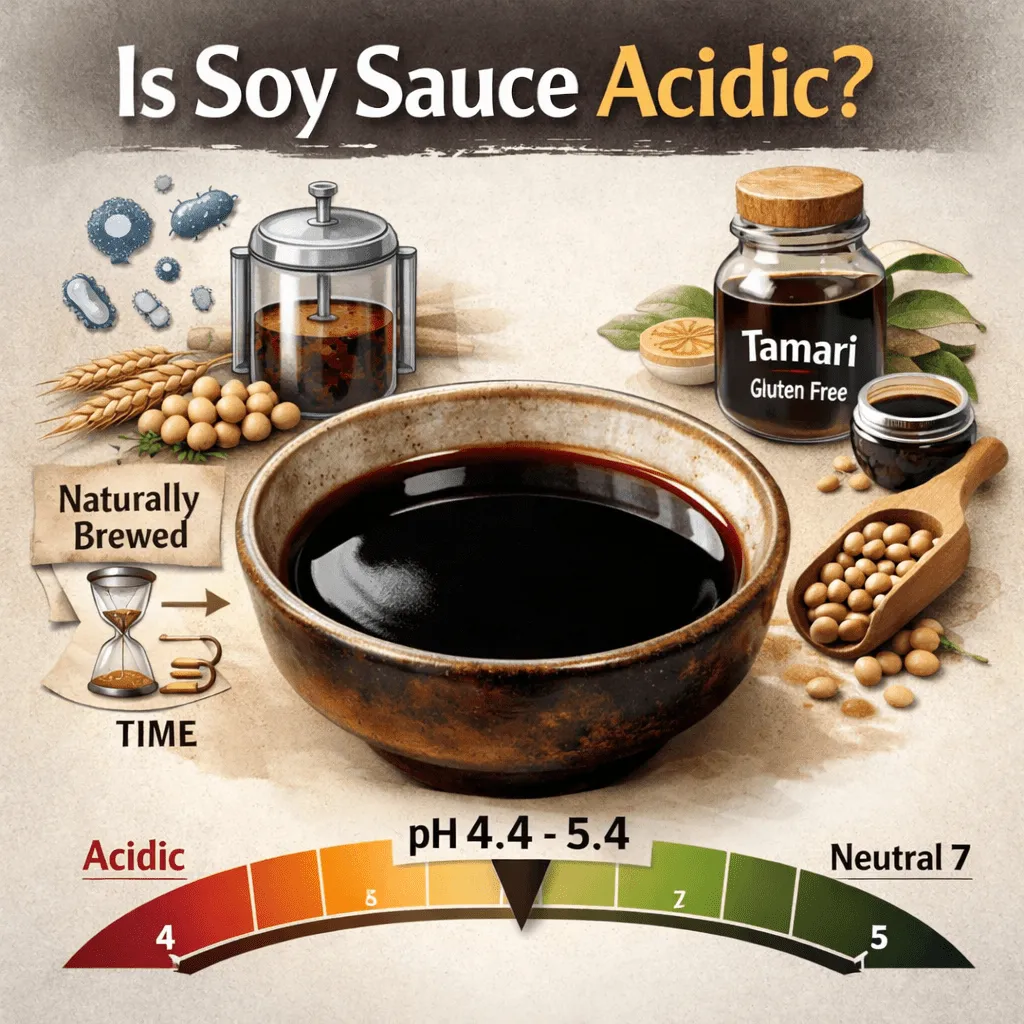
Is Soy Sauce Acidic?
January 28, 2026
Table of Content
Search
Search
Latest Post
Soy Sauce for Fried Rice: When to Use Light or Dark Soy Sauce
Soy Sauce Eggs (Shoyu Tamago): An Easy Marinated Egg Recipe
Caramel Color for Vinegar-Based Sauces: pH Stability and a Factory Trial Plan
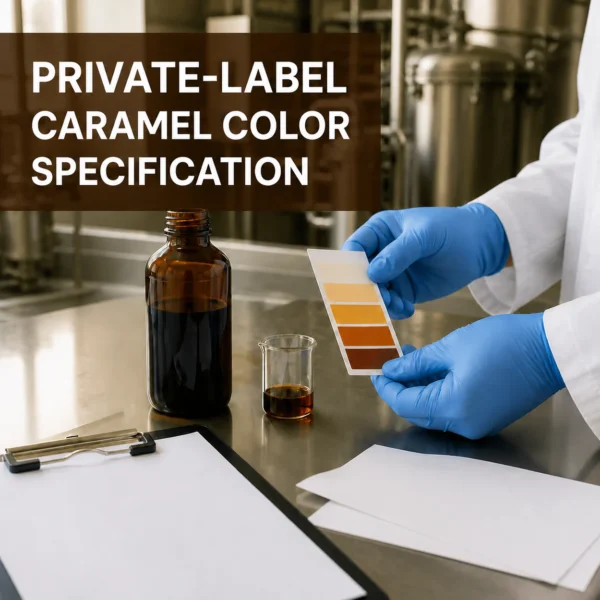
How to Write a Caramel Color Specification for Private-Label Food Manufacturing
Oyster Sauce Allergen Labelling for EU and U.S. Exports: An Importer Checklist
Soy Sauce Powder Ingredients and Carriers: A Buyer Checklist
Talk to Specialists
Your Name *
Your E-mail *
Your Country*
Your Phone
Message
Send
Recent Posts
Soy Sauce for Fried Rice: When to Use Light or Dark Soy Sauce
Soy Sauce Eggs (Shoyu Tamago): An Easy Marinated Egg Recipe
Caramel Color for Vinegar-Based Sauces: pH Stability and a Factory Trial Plan
How to Write a Caramel Color Specification for Private-Label Food Manufacturing
Oyster Sauce Allergen Labelling for EU and U.S. Exports: An Importer Checklist
Do you have needs? We'd love to help you!
Contact Us
Scroll to Top
Contact Us
Your Name
Your E-mail *
Your Country*
Your Phone*
Your WhatsApp
Message
Send
Home
Products
Qianhe Zero Additive Seasoning Series
Soy Sauce
Dark Soy Sauce
Light Soy Sauce
Low Sodium Soy Sauce
Organic Soy Sauce
Seasoned Soy Sauce
Soy Sauce Paste
Soy Sauce Powder
Seasoning
Vinegar
Oyster Sauce
Cooking Wine
Condiment
Caramel Color
Caramel Color Liquid
Caramel Color Powder
Application
Bakery
Beverages
Caramel Color for Seasoning
About Us
Company Profile
Soy Sauce Museum
Quality & Safety
OEM Service
Finished Product Wholesale
Raw Ingredients Wholesale
Blog
News
Exhibition
Contact Us
Search
Search
Get A Quote