| Comparison Dimension | Raw Soy Sauce | Finished Soy Sauce (Retail Bottled Soy Sauce)
|
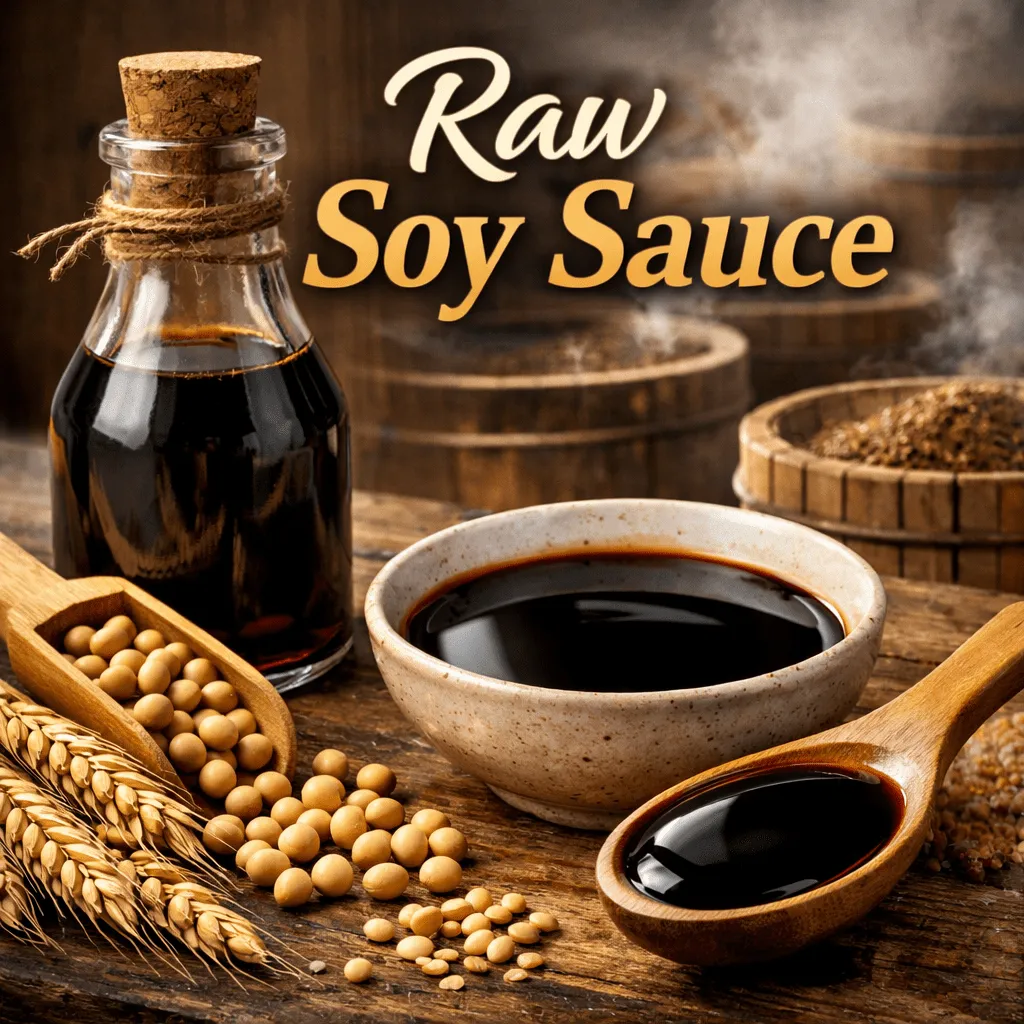
| Stage in Production | Semi-finished product / core base ingredient. It is the most original liquid obtained after fermentation and pressing, serving as a concentrated reservoir of flavor and amino acids. | End consumer product. It has undergone further processing and formulation and is ready for direct retail sale. |
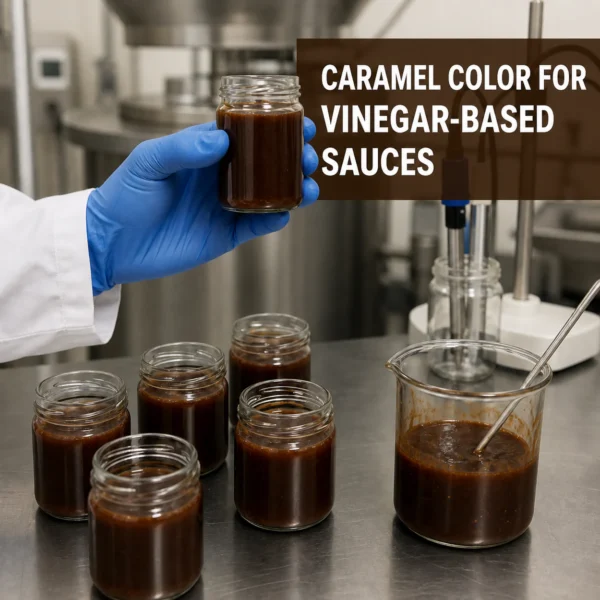
| Formulation | No or minimal blending. Strictly speaking, it contains only water, soybeans, wheat, salt, and naturally generated fermentation compounds, preserving the original flavor profile of the fermentation system. | Yes. To meet mass-market taste preferences, shelf-life requirements, and visual consistency, it is typically standardized using sugar, sweeteners, caramel color, MSG (monosodium glutamate), preservatives, and other additives. |
| Direct Consumption | Not recommended for direct consumption. Its saltiness, umami intensity, and color are not balanced for table use, and it is often not subjected to final consumer-grade sterilization. It is designed specifically for further processing. | Suitable for direct use. After formulation adjustment and sterilization (such as pasteurization), it offers balanced flavor and food safety, ready for dipping or cooking straight from the bottle. |
| Primary Users | Food manufacturers, compound seasoning producers, and high-end central kitchens. These users treat Raw Soy Sauce as a “canvas” or “foundation” for building customized products. | Household consumers and standard restaurant kitchens seeking convenience and consistent, ready-to-use flavor. |
| Formulation Flexibility | Extremely high. Manufacturers can freely adjust sweetness, saltiness, umami intensity, and color to precisely match the needs of snacks, seasoning sachets, frozen foods, or premium sauces—enabling strong product differentiation. | Fixed. Consumers purchase a predefined final flavor set by the brand, with no ability or need for customization. |