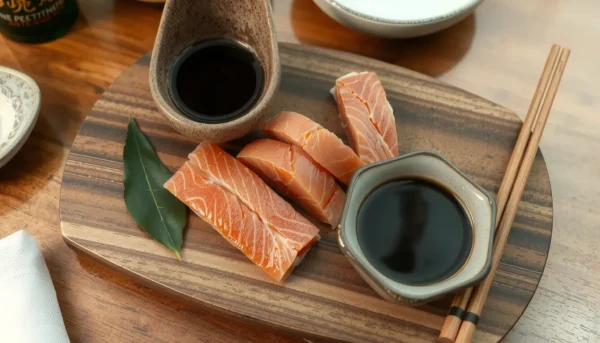
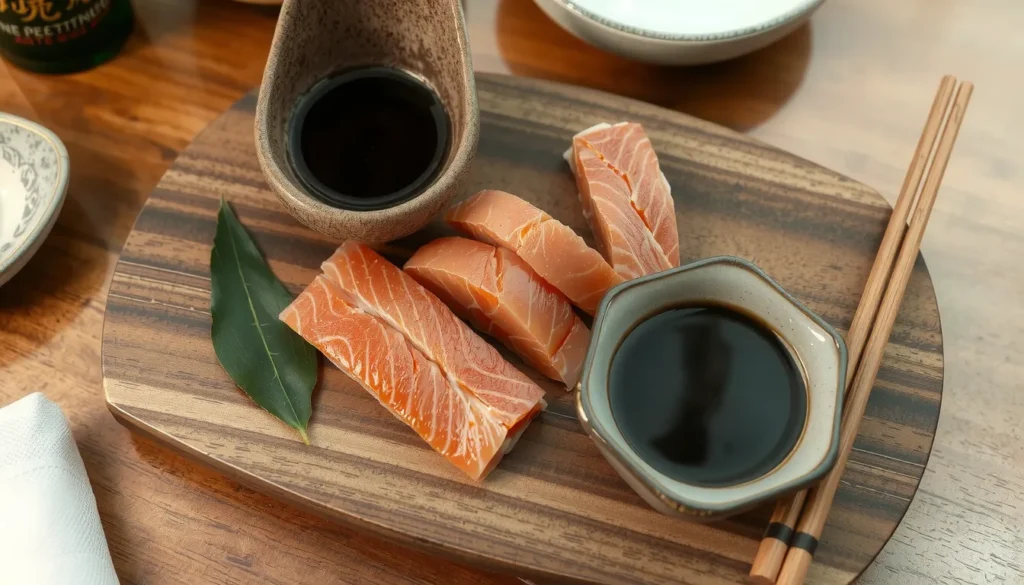
Ever realized that the soy sauce used at a premium Japanese restaurant has a different taste? Not at all, it is smoother and tastes less salt. It appears as if, with a fresh slice of tuna or salmon, it is just a match made in heaven. You are not just imagining. The cause is effortless. The soy sauce being used is not the same as the all-purpose one that you have in your kitchen. This guide will explain why Japanese restaurants use special soy sauce for sashimi. You’ll also learn how to bring that real taste to your own table in 2026.
It’s Not Merely Soy Sauce, but a Lifestyle Choice
The first thing to know is straightforward. The soy sauce served with sashimi is a meticulous selection. A master sushi chef is crazy about every single thing. This is true of the rice temperature and the fish freshness too. The same applies to the soy sauce.
Using a standard high-salt soy sauce would be inappropriate when using it on a delicate piece of otoro (fatty tuna). It would be like adding ketchup to a great steak. It would totally overshadow the subtle, buttery flavors the chef prefers you to delight in.
However, they use a special sauce which is just doing one thing: it is helping the fish. This sauce brings in a new dimension, which is called umami, like a layer of juiciness. It contributes to a balanced flavor in each bite. Grasping this concept is the major step towards understanding why Japanese restaurants use special soy sauce for sashimi. It is a vital part of their art form.
All-Purpose vs. Artisan: The Simple Difference
Soy sauces are not all created equally. The one sitting in your fridge and the one at the fancy sushi restaurant have very different missions.
The Brutal Truth About All-Purpose Soy Sauce
Most of us are familiar with koikuchi shoyu, or standard all-purpose soy sauce. It is a great kitchen staple. It is ideal for marinades, stir-fries, and braised dishes. Its flavor is strong, salty, and bold.
Despite the aforementioned characteristics, it is not advisable to pair it with raw fish. The intense salting might, in fact, “cook” the thin layer of the fish’s surface. This is a result of the curing process that occurs. Its powerful taste can even cover up the gentle sweetness and distinctive texture of a brand new piece of sashimi.
The Philosophy of Sashimi Shoyu: Harmony and Balance
Sashimi soy sauce, or sashimi shoyu, is based on a different perspective. The main idea is to realize the harmony. The point of the sauce is to assist, not to deploy a takeover. As food specialists point out, the sauce is meant to accent the flavor of the fish, not be the main event.
This extraordinary soy sauce is less intense. It’s frequently a bit sweeter. It has a more rounded, less sharp flavor. It lets the natural umami stand out in the fish. Thus, it contributes to a fuller and more complex taste. It is a minor character that, through its action, makes the lead— the fish—glow with even more brilliance.
Understanding the Blend: What’s in a Special Sashimi Soy Sauce?
Now, you may be thinking, what is it that makes this sauce so amazing? The master key is nothing but the having the right mixture. Now, you couldn’t imagine a high-class restaurant simply opening a sauce bottle and pouring it on food. They either mastermind their custom mix or source from a maker of the sauce exclusively for fresh fish.
The Chef’s Secret Weapon: Nikiri Shoyu
In many top-tier sushi restaurants, chefs prepare what is known as a special blend called nikiri soy sauce. Nikiri is a house-made sauce that is carefully balanced and cooked to perfection. The process involves simmering ingredients. This removes the alcohol and blends the flavors.
While every chef has their own secret recipe, the core parts of nikiri usually include:
- Soy Sauce Base: This is the base element. The majority of the chefs prefer to begin with an authentic soy sauce. Frequently, they prefer a rich tamari or a smooth, aged shoyu when they are not using the standard soybean sauce.
- Sake: This is a flavor that makes it complex and deep. Alcohol gets eliminated in the cooking process. That leaves behind a fresh taste.
- Mirin: This is a sweet rice wine that adds natural flavors of gentle sweetness to the sauce. Also, it brings a beautiful glossy finish. It is more complicated than simply adding sugar.
- Kombu (Dried Kelp): The absolute star of umami. The soaking process of the kombu in the mixture is a process of enriching it with natural glutamates. This adds a rich, savory tone which is not possible with soy alone.
The Brewer’s Craft: Purpose-Brewed Sashimi Shoyu
Apart from the chef-made blends, there are also many companies that produce directly for sashimi. This is the point where brewing art is at its fullest. They make adjustments to the ingredients and the fermentation technique from the start. As a result, a lighter and more refined product is produced.
A balanced approach is characteristic of a world-class brewer. For instance, one of our most outstanding drives “High-Salt Dilute Authenticity Brew™” which is mainly reliant on a long and unhurried fermentation period. This conventionally practiced method entails the natural development of intricate flavors and rich umami that are characteristic of the process. By thus doing, this sauce becomes robustly tasty while retaining its low salt concentration. You end up with a soy sauce that is not only appropriate but also made for sashimi, which is a delicate food.
On the Other Hand: A Side-by-Side Taste Test for Soy Sauces
One of the smartest ways to grasp the dissimilarities is to have a taste test. Seeing these sauces alongside each other, the first thing you grasp is their separate personalities. A general seasoning sauce tastes primarily of salt and hits the tongue with an immediate salty flavor. On the other hand, a proper sashimi shoyu, is more of an experience. It’s got a depth of umami plus a cluster of mild sweetness that co-operates with the food instead of working against it.
Here is a simple breakdown:
| Sauce Type | Flavor Profile | Key Ingredients | Primary Use |
|---|
| All-Purpose Shoyu | Salty, sharp, assertive | Soy, Wheat, Salt | Cooking, marinades, general dipping |
| Sashimi Shoyu | Milder, slightly sweet, rounded umami | Soy, Wheat, Salt (less), sweeteners | Dipping for raw fish, finishing sauce |
| Tamari | Rich, thick, less salty, deep umami | Mostly Soy, little to no Wheat | Gluten-free dipping, sashimi |
The Science of Flavor: How the Right Sauce Lifts Fish
The election of a specialty soy sauce for sashimi, in reality, is not merely a matter of culture. It is rooted in the principles of food science. The appropriate sauce not only spicing up food makes them better but the feeling of eating also improves through its influence.
More Than Just Flavor: Getting Rid of Odors
One of the most interesting jobs of soy sauce has to do with smell. Even the freshest fish can have very subtle odors. As food scientists at the Umami Information Center explain, dipping fish in soy sauce helps to get rid of any unpleasant raw fish odors. The compounds in a well-made soy sauce effectively neutralize these mild smells, resulting in a cleaner, purer taste.
The Umami Synergy
The compatibility of flavor is often the matter of collaboration. “Synergy” denotes that the two added components bring forth a result that is more than the sum of the individual parts. This is exactly the way sashimi and soy sauce act.
Soy sauce is abundant in an umami compound called glutamate. A lot of fish species, in particular, tuna, are loaded with a different umami compound called inosinate. When the two compounds are around, they will work as a multiplier. The result is an explosion of the taste that brings satisfaction. This taste is more prominent and wild than the two elements could ever be alone.
The Real Experience at Home: A Practical Guide
You now understand the use of special soy sauce in Japanese restaurants for sashimi, so you can raise the level of your dining experience at home easily.
Choosing Your Sauce
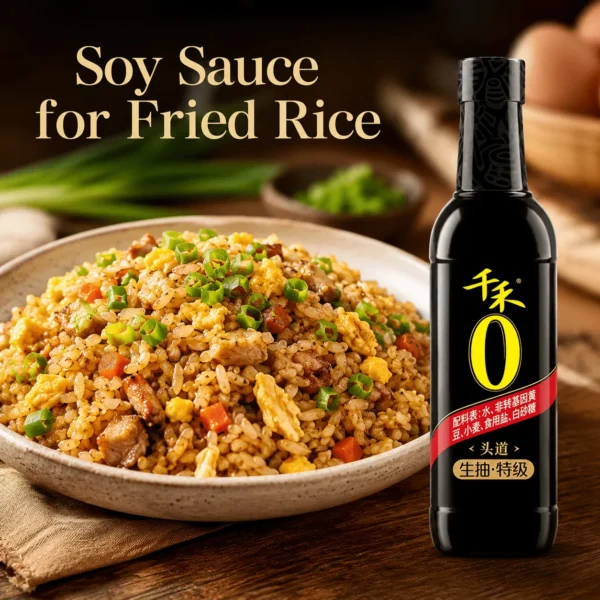
A few special signs to be on the lookout for when you are shopping in these stores are “Sashimi Shoyu,” “for Sushi & Sashimi,” or a high-quality tamari. They are made to have the optimal flavor balance. For a flavor that is reliable and authentic so that you can easily bring the restaurant to your home, a specially made sauce like Qianhe Sashimi Soy Sauce is an extraordinary choice. It is designed to be a companion to raw fish. The result is the perfect, well-balanced flavor every time you eat it.
Dipping Techniques
The technique of dipping is also as significant as the equipment you are dipping with. Use these basic rules to get the best dip:
- DO: Just lightly dip a corner of the fish into the soy sauce and not the whole piece.
- DON’T: Drown the fish in the sauce. A small amount is usually sufficient.
- DON’T: When sushi (nigiri) is involved, don’t dip the rice. The rice will take in too much sauce and end up crumbling.
- DON’T: Making a “wasabi slurry” should be neglected. Merging wasabi in bulk with your soy sauce dish tempers the flavors. To do it rightly, just affix a speck of wasabi straight to the fish.
Questions that are Usually Asked (FAQ)
Can I use regular soy sauce for sashimi if it’s all I have?
Sure, but do be cautious when using it as it is likely to have a stronger taste. You can mix it with a small amount of mirin or even a tiny drop of honey to make it milder. This adjustment can help it to replicate the balanced taste of a real sashimi shoyu.
Is a sashimi soy sauce different from a sushi soy sauce?
No, they are actually very similar, and the two expressions are often interchangeable regarding a single product. Both sauces aim to be less salty and milder in taste than a typical soy sauce. Besides, in premium sushi restaurants, the chef sometimes uses a special nikiri sauce to coat the sushi directly. With this method of serving, you won’t even need the dipping sauce.
Is tamari a good choice for sashimi?
Of course, that’s a good point. Tamari is traditionally made with little to no wheat, and the rich and complex flavors that it offers go so well with sashimi. Some people find it a fantastic and readily available alternative to a specialized sashimi shoyu.
Why do some chefs brush the soy sauce on for you?
It is a feature of a real specialist sushi chef. They are adding the perfect quantity of their signature house-blended nikiri shoyu sauce, which is specifically designed for that fish. This makes the fish taste best with the right mix of seasoning being in each bite. When a chef applies this technique, there is no need for extra dipping.
Is it acceptable to blend wasabi with my soy sauce?
Conventionally, one would be advised not to do this. The blending of the wasabi and the soy sauce creates a single muddled flavor. This, in turn, covers the unique tastes of both wasabi and the special soy sauce. According to the proper way to eat, you are supposed to take a tiny bit of wasabi and put it directly on top of the fish, then, very carefully, dip the fish into the soy sauce.