In the search for quality soy sauce, it is essential to avoid being dazzled by the fancy packaging. You need to realize that quality is not just about appearance. In your soy sauce shopping trips, these three keys will be your guiding light.
The Making Process
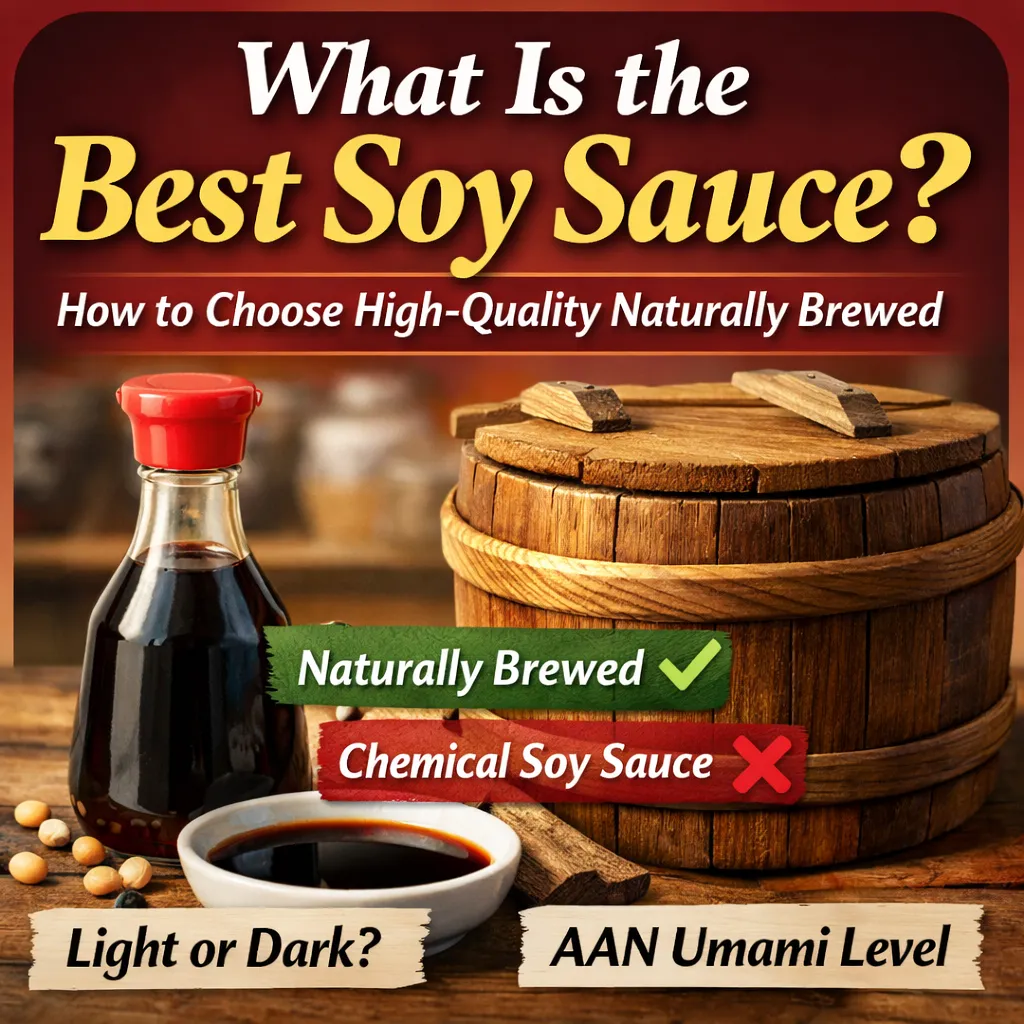
The primary factor that separates an acceptable soy sauce from a truly remarkable one is the process of making it. They can be either traditional brewing or chemical production.Normally, it is done through a slow fermentation process involving natural soy sauce. This process takes 6 months or even longer. The mixture consists of soybeans, wheat, salt, and a special type of culture called koji. It will age slowly, and rich, umami flavors will develop.Chemical soy sauce is made quickly and in just a matter of days. This salt solution uses acid to break down the soy proteins. Acid hydrolysis is the term for this process. The resulting flavor is often sour, bland, or overly salty. In order to resemble real soy sauce, producers often add things like corn syrup, caramel coloring, and other flavor enhancers. The ability to recognize this explanation is the first step to really understanding what to look for in soy sauce.The Expert’s Number
The AAN (amino acid nitrogen) value is the best-kept secret in soy sauce world and something most articles fail to mention. The value indicates the umami level of the soy sauce, which means the amount of savory richness.You are likely to see this number on many Chinese soy sauce labels. The number indicates the amount of protein broken down by natural fermentation. The more protein is broken down in the fermentation process the higher the AAN score, and so the better the taste. This is a reliable measure to check the quality of the soy sauce.The grading scale is as follows: * Third Grade: ≥ 0.4g/100ml * Second Grade: ≥ 0.55g/100ml * First Grade: ≥ 0.7g/100ml * Premium (or Special) Grade: ≥ 0.8g/100ml (with the best examples reaching 1.2g/100ml or more)
Having the knowledge of the various soy sauce types is as fundamental as it gets for a native cook. Using the wrong soy sauce can easily change your dish from great to terrible. Let’s discuss the most common types step by step.
You are ready now that you know how to recognize quality and distinguish the various types, let’s put everything together in practice. This is practical advice that will help you to choose soy sauce correctly and use it to make your food great.