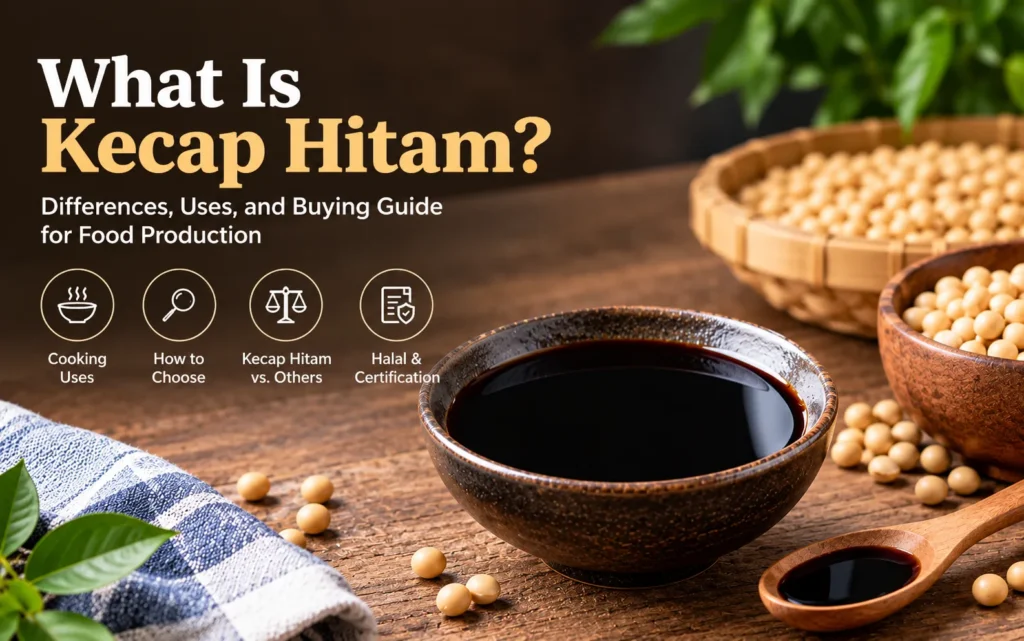
Kecap hitam is an Indonesian term for dark or black soy sauce, but its sweetness, thickness, salt level, and flavor can vary by product. This article explains what kecap hitam is, how it differs from kecap manis and Chinese dark soy sauce, how it is used in cooking, and what food manufacturers and B2B buyers should consider when selecting a suitable product for foodservice or industrial production.
What Is Kecap Hitam?
Kecap hitam is an Indonesian term commonly used to describe a dark or black soy sauce. The word “kecap” refers to a fermented soy-based sauce, while “hitam” means black.
In English, kecap hitam is often described as Indonesian black soy sauce or Indonesian dark soy sauce. However, the term does not always refer to exactly the same product in every market. Its sweetness, thickness, salt level, and color can vary by manufacturer.
For this reason, buyers should check the product label and technical specifications rather than relying only on the name.
Is Kecap Hitam the Same as Dark Soy Sauce?
Kecap hitam and Chinese dark soy sauce are similar in appearance because both are usually darker than light soy sauce. However, they may differ in taste, formulation, and usage.
Kecap hitam may have a deeper color and richer taste, while some Indonesian versions may also contain added sugar or have a sweeter profile. Chinese dark soy sauce is commonly used to enhance color, body, and savory flavor in stir-fries, braised dishes, marinades, and sauces.
The exact characteristics depend on the product:
- Kecap hitam: Indonesian black or dark soy sauce, with sweetness and thickness varying by product.
- Kecap manis: Indonesian sweet soy sauce, usually thick and noticeably sweet.
- Kecap asin: Indonesian salty soy sauce, generally thinner and more savory.
- Chinese dark soy sauce: A dark soy sauce commonly used for color, gloss, body, and deep umami flavor.
Therefore, kecap hitam should not automatically be treated as a direct substitute for every Chinese dark soy sauce.
Kecap Hitam vs Kecap Manis
Kecap hitam and kecap manis are sometimes used interchangeably in informal descriptions, but they are not necessarily identical.
Kecap manis is widely known as Indonesian sweet soy sauce. It normally has a thick, syrup-like texture and a strong sweet flavor. It is often used in dishes such as nasi goreng, satay marinades, mie goreng, and sweet soy-based sauces.
Kecap hitam mainly emphasizes the sauce’s dark color, while kecap manis emphasizes its sweetness. Some kecap hitam products may be sweet, but buyers should always check the ingredient list and nutrition information.
| Feature | Kecap Hitam | Kecap Manis |
|---|
| Main description | Indonesian black or dark soy sauce | Indonesian sweet soy sauce |
| Color | Dark brown to black | Dark brown to black |
| Sweetness | Varies by product | Usually high |
| Texture | Thin to thick | Usually thick and syrupy |
| Common use | Marinades, sauces, stir-fries, braised dishes | Nasi goreng, satay, noodles, sweet glazes |
What Does Kecap Hitam Taste Like?
The taste of kecap hitam depends on the formulation and fermentation process. Common flavor characteristics may include:
- Savory soy flavor
- Fermented aroma
- Rich umami taste
- Dark roasted or caramel-like notes
- Mild sweetness in some formulations
- A salty finish
A high-quality dark soy sauce should provide color and flavor without overpowering the dish. For food manufacturers, the balance between saltiness, sweetness, viscosity, and color is especially important.
How Is Kecap Hitam Used?
Kecap hitam can be used in both home cooking and commercial food production.
1. Stir-Fried Dishes
A small amount of dark soy sauce can add color, gloss, and savory depth to vegetables, noodles, rice, meat, and seafood.
2. Marinades
Kecap hitam can be used in marinades for chicken, beef, pork, tofu, and seafood. Its dark color helps create a more attractive surface after cooking.
3. Braised Foods
Dark soy sauce is commonly used in braised dishes because it contributes color and a rich sauce appearance. It can also help create a glossy finish.
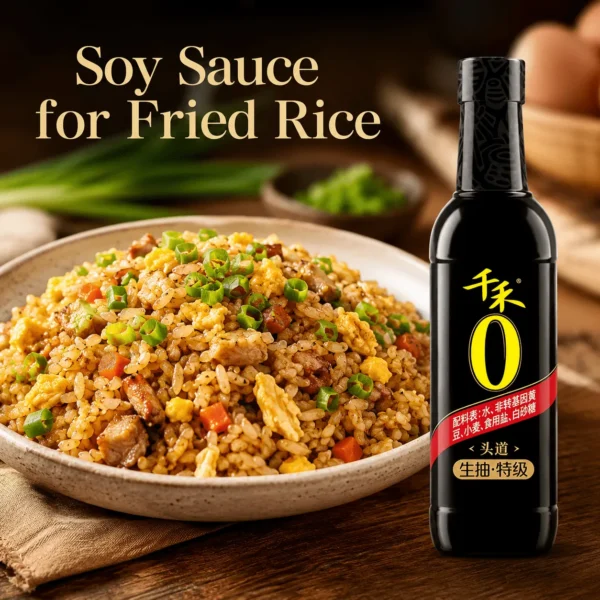
4. Fried Rice and Noodles
Kecap hitam or another dark soy sauce can give fried rice and noodles a deeper color and more intense flavor. However, the amount should be adjusted according to the sauce’s salt and sugar content.
5. Glazes and Dipping Sauces
Food manufacturers may use dark soy sauce in glazes, ready-to-use sauces, seasoning blends, and prepared meals.
How to Choose Kecap Hitam for Food Production
When sourcing kecap hitam or a similar dark soy sauce, buyers should evaluate more than color. The following factors can help food manufacturers, distributors, and foodservice operators select a product that meets their requirements.
Ingredient List
Check the source of the soybeans, wheat, sugar, salt, and other ingredients. Buyers should also confirm allergen information, especially for soy and wheat.
Color and Stability
The sauce should provide consistent color from batch to batch. Color stability is important for sauces, marinades, ready meals, instant noodles, and meat products.
Viscosity
A thicker product may be suitable for glazes and braised dishes, while a thinner product may be easier to blend into liquid sauces or seasoning systems.
Salt and Sodium Content
Salt levels can vary significantly. For products marketed toward health-conscious consumers, a low-sodium option may be worth considering. Buyers should compare nutrition labels and technical specifications to confirm the actual sodium content.
Flavor Profile
Buyers should evaluate sweetness, saltiness, umami, fermentation notes, and aftertaste through a sample trial. Testing the sauce in the intended recipe is particularly important because its flavor may change when heated or combined with other ingredients.
Technical Documentation
For B2B purchasing, request the relevant documents before placing a bulk order:
- Product specification
- Certificate of analysis
- Allergen statement
- Microbiological standards
- Shelf-life information
- Packaging specifications
- Regulatory and certification documents
For buyers looking for a Chinese-style dark soy sauce for restaurants, foodservice, or private-label production, Qianhe provides a dark soy sauce product designed for stir-frying, marinating, braising, and sauce applications. The product page highlights traditional brewing, selected ingredients, rich color, umami flavor, and a low-sodium option.
Can You Substitute Kecap Hitam for Dark Soy Sauce?
In some recipes, kecap hitam can replace dark soy sauce. However, the result may be different if the kecap hitam is sweeter, thicker, or saltier.
Before using it as a substitute, compare the following characteristics:
- Sweetness: Determine whether the product contains added sugar or has a naturally sweet flavor profile.
- Salt level: Check the sodium content to avoid making the dish too salty.
- Color strength: Compare how much sauce is needed to achieve the desired color.
- Viscosity: Consider whether the sauce will affect the consistency of the finished dish.
- Fermented flavor: Evaluate whether the aroma and umami profile complement the other ingredients.
If the product is sweet, reduce the amount of sugar in the recipe. If it is highly concentrated, begin with a smaller amount and adjust gradually.
Is Kecap Hitam Suitable for Halal Food Production?
Whether a kecap hitam product is suitable for halal food production depends on its ingredients, processing method, and certification status. The product name alone is not enough to confirm halal compliance.
Food manufacturers should ask suppliers for:
- Halal certification
- Complete ingredient information
- Fermentation details
- Alcohol-related declarations
- Manufacturing-site information
Buyers should verify that the certification is valid and applicable to the specific product and manufacturing facility. They should also confirm that the supplier's documentation meets the requirements of their target market.
Frequently Asked Questions
Is kecap hitam sweet?
Some kecap hitam products are sweet, while others are mainly savory. Always check the product label and ingredient list.
Is kecap hitam the same as kecap manis?
Not always. Kecap manis is specifically known as sweet soy sauce, while kecap hitam generally emphasizes a dark or black color.
Is kecap hitam the same as Chinese dark soy sauce?
They can be similar, but they are not always identical. Their sweetness, saltiness, thickness, and fermentation profiles may differ.
What is kecap hitam used for?
It can be used in stir-fries, marinades, fried rice, noodles, braised foods, glazes, dipping sauces, and commercial food formulations.
How should buyers evaluate kecap hitam?
Buyers should compare ingredients, color, viscosity, sodium content, flavor, shelf life, technical documents, and certification requirements.
Conclusion
Kecap hitam is an Indonesian term associated with dark or black soy sauce. Although it may resemble Chinese dark soy sauce, the two products can differ in sweetness, thickness, salt level, and application.
For consumers, the best choice depends on the recipe and desired flavor. For food manufacturers, product specifications, batch consistency, technical documentation, and certification are essential.
Understanding the difference between kecap hitam, kecap manis, kecap asin, and Chinese dark soy sauce can help buyers select the right product for cooking, foodservice, and industrial applications.