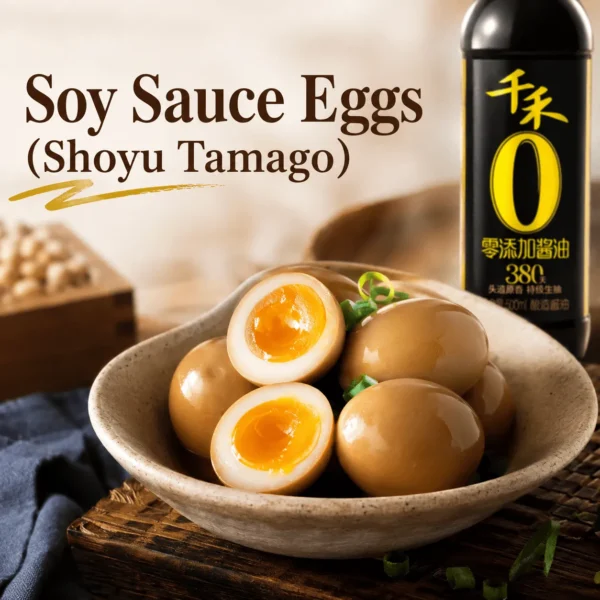
While liquid soy sauce remains a common condiment, modern food innovation has introduced new formats, transforming how we use this traditional condiment.
Soy sauce paste stands out for its ability to blend tradition with convenience, opening up new possibilities for home cooks and professional chefs alike. They represent not only a shift in taste but also a broader shift in how condiments adapt to contemporary lifestyles and culinary creativity.

Learning about Soy Sauce Paste and Its Applications
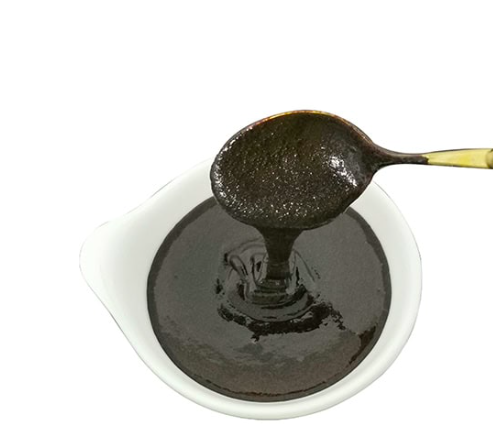
Soy sauce paste is a thick condiment. Its viscosity makes it particularly effective when the flavor needs to sit on the surface of the food rather than drip off. Rather than being quickly absorbed and diluting other ingredients, the soy sauce adheres tightly, delivering a richer flavor with every bite.
Soy sauce paste has a wide range of culinary applications.
- In seasoning packets, particularly suitable for frozen foods, it enhances umami and soy flavor, quickly imparting a rich, rich flavor. As a base sauce, it blends well with ingredients like oyster sauce and chili sauce to enhance the flavor. In blended seasonings or ready-to-eat sauces, it can mask the off-flavors of some ingredients, creating a more balanced taste.
- Beyond traditional Asian cuisine, people around the world are experimenting with soy sauce in sandwich spreads, barbecue sauces, and even as a flavor enhancer in baked goods. Its ability to concentrate umami in small quantities makes it an effective tool for reducing waste and maximizing flavor.
- Soy sauce pasteis also highly valued for its consistency. For packaged food manufacturers, soy sauce’s low moisture content means a longer shelf life and easier incorporation into products like instant noodles or ready-to-eat meals.
Innovations in Solid Soy Sauce
Solid soy sauce represents a significant leap forward in how the condiment can be used. By completely removing the water content, manufacturers have developed soy sauce in crystal, flake, or powder form.
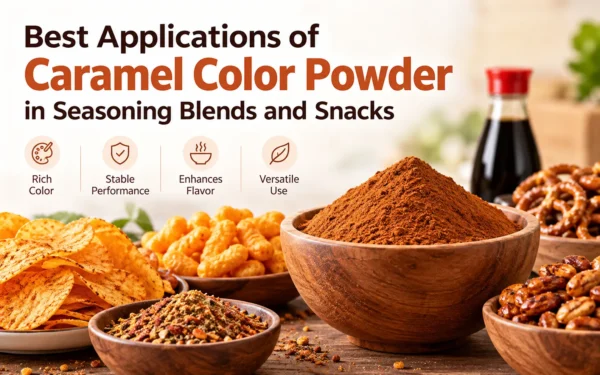
- Solid soy sauce functions similarly to seasoning salt. After cooking, it can be sprinkled directly onto food—think popcorn, roasted nuts, grilled vegetables, or even fresh sushi. In professional kitchens, it is also used as a garnish to enhance taste and visual appeal, resembling sea salt flakes while delivering a unique umami flavor. Another practical advantage is its use in packaged snacks and dry mixes.
- Solid soy sauce avoids the challenge of moisture control, making it ideal for seasoning potato chips, rice crackers, or instant soup bases.
- Its lightweight, non-liquid format is particularly convenient for outdoor dining, travel, or emergency food supplies.
These factors demonstrate how solid soy sauce is expanding traditional flavors into new culinary categories and tapping into the global trend toward portability and efficiency.
Practical Benefits in the Kitchen and Food Industry
Solid soy sauce addresses challenges that liquid soy sauce cannot. In baking or dough recipes, excess liquid can affect the texture; in frying, excess liquid can cause food to splatter or become soggy.
These alternatives deliver rich flavor with reduced or no added water, giving chefs greater control over their ingredients.
From an industrial perspective, they also simplify logistics. Solid soy sauce goes a step further, reducing packaging waste and allowing for lower-cost bulk shipping. Snack manufacturers, meal kit companies, and restaurants are increasingly citing these advantages as reasons to adopt new formats.
Expanding Global Culinary Possibilities
The growing popularity of soy sauce paste isn’t limited to Asian markets. As consumers around the world become increasingly familiar with umami, chefs from diverse culinary traditions are adopting these products.
- In barbecue culture, soy sauce is mixed with honey or spices to add a delicious flavor to ribs and chicken wings. In Italian cooking, soy sauce paste is sprinkled on roasted vegetables, echoing the way Parmesan cheese enhances flavor.
- Even in the dessert realm, innovative bakers are experimenting with soy sauce paste in chocolate or caramel recipes, capitalizing on its sweet-salty balance.
- Meanwhile, social media and food bloggers are playing a key role in promoting these innovations. With more and more people seeking quick and memorable recipes, these products offer the perfect combination of authenticity and convenience.
Conclusion
Soy sauce paste retains the fermented depth and rich umami flavor of the ancient condiment, but in a way that’s more tailored to modern cooking needs.
The portability and ease of use of soy sauce paste open up new avenues for snacking, food decoration, and outdoor cooking. The condiment can adapt to diverse culinary environments without sacrificing authenticity.
If you are interested in soy sauce paste, welcome to visit Qianhe Flavor Industry’s official website to purchase our solid soy sauce and get the product you want.