Soy sauce, a staple condiment in Asian cuisine, varies significantly in composition, fermentation method, and nutritional value. This guide will help you steer clear of low-price pitfalls and focus on three critical indicators to ensure you’re bringing home a product worth its price tag.
Understanding the Soy Sauce Market: Not All Bottles Are Equal
Soy sauce might appear to be a simple product, but the market is far from homogeneous. In China alone, the annual consumption of soy sauce exceeds 10 million tons, with over 1,000 brands competing on shelves. Unfortunately, this high demand has given rise to a flood of low-cost, chemically-produced alternatives that fall short on taste and nutrition. Identifying a quality product requires more than reading the price tag—it demands a deeper understanding of ingredient labels, production methods, and regulatory standards.
Key Indicators of High-Quality Soy Sauce
1. Fermentation Process: Naturally Brewed vs. Chemically Hydrolyzed
One of the most crucial differentiators between high- and low-quality soy sauce is the method of production.
Natural Brewing (Fermentation):
- Involves fermenting soybeans and wheat with mold, yeast, and bacteria over a period of 3 to 6 months.
- Results in complex umami flavor and aromatic depth.
- Produces natural amino acids, especially glutamic acid, which enhances taste.
Acid Hydrolysis (Chemical Process):
- Utilizes hydrochloric acid to decompose soy proteins within a few days.
- Produces a flatter, often bitter flavor profile.
- May contain harmful byproducts like 3-MCPD, a potential carcinogen regulated in many countries (e.g., EU limit: 0.02 mg/kg for 3-MCPD in soy sauce).
Tip: Look for terms like “Naturally Brewed” or “Fermented for X Months” on the label. Steer clear of terms like ‘processed plant protein’ or lack of specific description.
2. Amino Acid Nitrogen Content: The Core Quality Metric
The Amino Acid Nitrogen (AAN) level is an industry-recognized metric to evaluate soy sauce quality. It measures the amount of naturally occurring amino acids derived from protein breakdown during fermentation.
Classification Based on AAN (according to Chinese GB 18186-2000 standard):
- Superior Grade: ≥ 0.80 g/100 mL
- First Grade: ≥ 0.70 g/100 mL
- Second Grade: ≥ 0.55 g/100 mL
The greater the AAN level, the deeper and more savory the flavor of the soy sauce. Many supermarket soy sauces fall short of even the second-grade benchmark, especially those in the lowest price range (under $1 for 500 mL).
Tip: Always check the nutritional table or ingredient list for AAN levels. Brands that disclose this metric openly tend to produce higher-quality products.
3. Ingredient Purity and Additive Transparency
A high-quality soy sauce ought to be made from water, soybeans, wheat, and salt. Additional preservatives, flavor enhancers, or coloring agents often signal a shortcut in production quality.
Ingredients to Watch Out For:
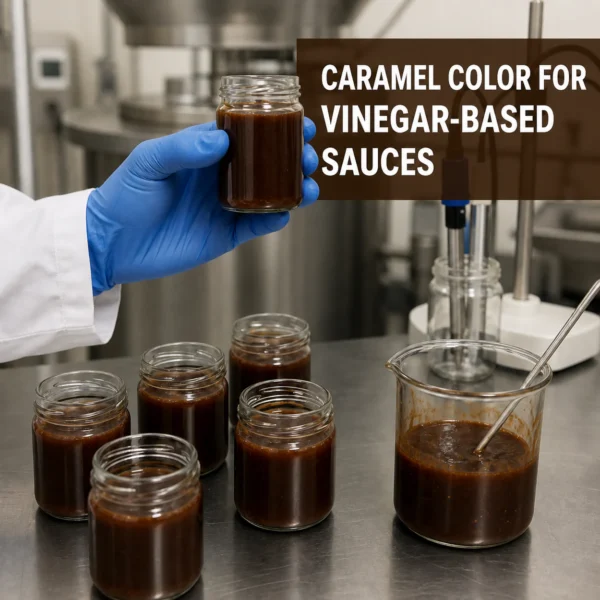
- Caramel Coloring (E150): Often used to give artificially hydrolyzed sauces a darker hue.
- Sodium Benzoate or Potassium Sorbate: Common preservatives in low-cost variants.
- MSG (Monosodium Glutamate): Not inherently harmful but often used to mask weak fermentation quality.
Tip: The more concise and straightforward the list of ingredients, the better it is. Organic or non-GMO labels also indicate more careful sourcing, although not necessarily better flavor.

Other Factors Worth Considering
Packaging Format
- Glass Bottles: Better for long-term storage; no risk of plastic leaching.
- Plastic Bottles: More convenient, but not ideal for prolonged storage, especially in heat.
- Dispenser Design: Sealed valves or reclosable lids help maintain taste and minimize exposure to air.
Sodium Content
For health-conscious buyers, it’s important to consider sodium levels. A standard soy sauce contains 5,000–7,000 mg of sodium per 100 mL. Reduced-sodium options are available, but beware—they may be compensated with artificial flavoring.
Avoiding the Price Trap
Low-priced soy sauces often use inferior ingredients, rush the production process, and include synthetic additives to mimic authentic flavor. Over time, using such products can have implications not just for taste but also for health. Studies show that long-term consumption of poor-quality soy sauces can increase the risk of sodium-related hypertension and chemical residue exposure.
A high-quality soy sauce may cost 30–100% more, but the difference in flavor, health, and cooking experience is significant. Investing an extra $1–2 for a 500 mL bottle often means supporting traditional fermentation, safer ingredients, and a cleaner product.
Conclusion
In the supermarket aisle, the soy sauce shelf can be a minefield of misleading labels and tempting discounts. By focusing on the fermentation method, amino acid nitrogen content, and ingredient purity, you can make informed decisions that benefit your cooking and your health.