Learning how to store soy sauce properly is essential for preserving its flavor, aroma, and quality over time. Inappropriate storage can result in waste and spoiling of soy sauce, whether you’re using homemade or store-bought. Whether your soy sauce is homemade, opened, or unopened, this guide will teach you how to store it properly and how to spot bad soy sauce.
1. Unopened Soy Sauce: Best Storage Practices
When unopened, store soy sauce based on its packaging:
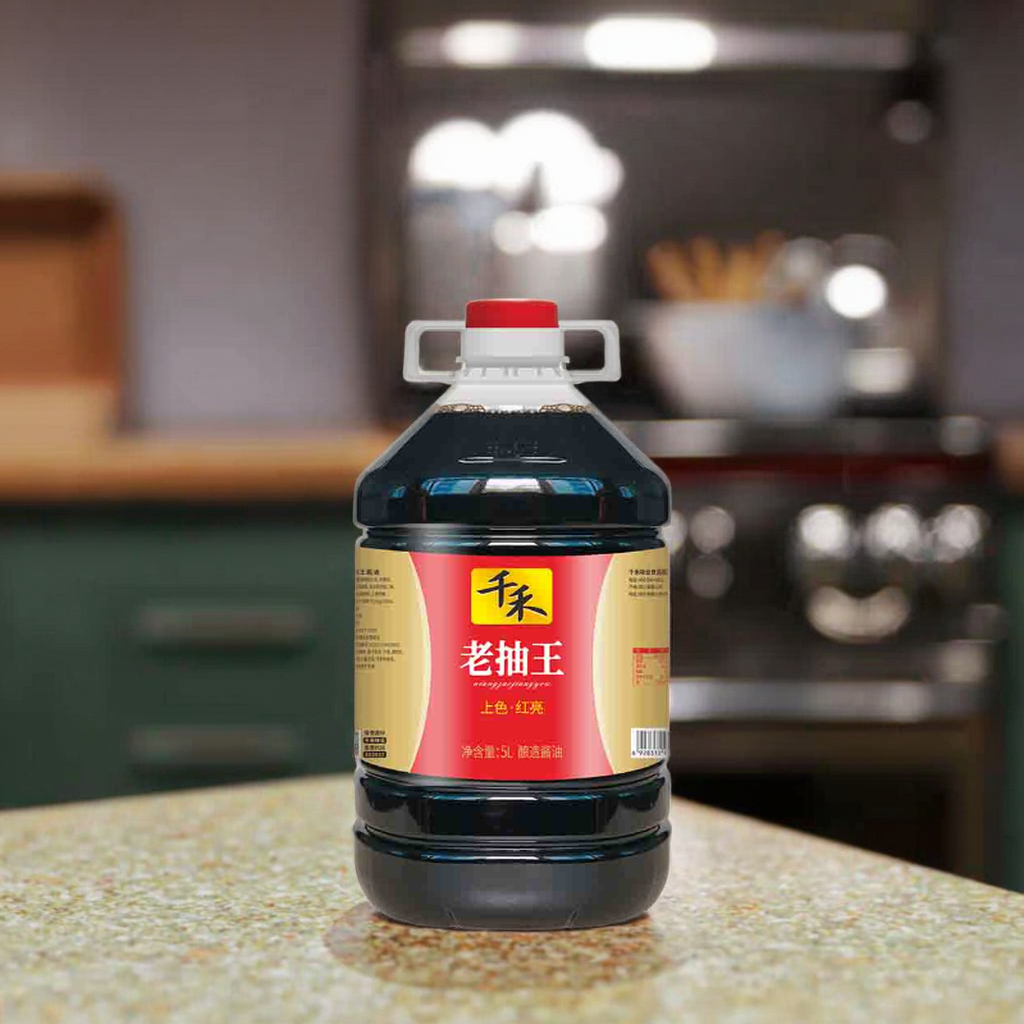
- It’s best to store plastic bottles in a cool, dry, and dark place away from moisture and direct sunlight because they are more permeable to light and air than glass.
- Glass bottles offer better protection. Although room temperature is acceptable, heat and moisture should still be avoided.
Soy sauce, whether in a glass or plastic container, should always be stored in a dry, cool location, such as a cupboard or pantry. Never expose it to sunlight or extremes in temperature as these conditions can cause it to lose quality.
Shelf Life (Unopened): The majority of store-bought soy sauces last between 18 months and 3 years.

2. Opened Soy Sauce: How to Store for Freshness
- Lid: Always tightly seal the lid after each use to prevent oxidation and contamination.
- Refrigeration: While some light or dark soy sauces can be stored at room temperature, refrigeration is strongly recommended, especially for low-salt, naturally brewed, or flavored varieties.
- Moisture: Keep the bottle in a dry environment, and do not leave it near stoves or sinks.
- Sunlight: Avoid exposure to direct sunlight or heat sources.
How long to use: It is best to use opened soy sauce within 6 to 12 months, even though it may not spoil right away. The flavor and aroma can fade with time.
3. Storing Homemade Soy Sauce: Extra Precaution Needed
If you make your own soy sauce at home, store soy sauce with added care. Homemade soy sauces do not contain preservatives like commercial ones:
- Use within 2 weeks. To prevent microbial or bacterial growth, consume it as soon as possible.
- Seal tightly and refrigerate: Homemade sauces, especially those with natural or fermented ingredients, can oxidize quickly.
- Soy sauce should always be kept in the refrigerator in an airtight, sterile glass container.
4. How to Tell If Soy Sauce Has Gone Bad
To ensure safety, check for these signs:
- Visual: If mold forms around the lid or in the liquid, discard it.
- Touch: If the liquid has thickened or feels slimy, it’s likely no longer safe to use.
5. Understanding Soy Sauce Shelf Life
- Unopened: 18 months to 3 years in a dark and dry place.
- Opened: Up to 12 months in the refrigerator for best quality.
- Homemade or special soy sauce (like low-sodium or naturally brewed): Use within 2–4 weeks and always refrigerate after opening.
Qianhe guarantees the rich flavor of soy sauce by knowing how to store it properly. Whether your soy sauce is factory-sealed, freshly opened, or homemade, storing it properly is key. Always seal tightly, keep it dry, and refrigerate when needed to extend its shelf life.
Consider moving your soy sauce to a smaller, airtight dispenser and storing the remainder in the refrigerator if you use it frequently. This way, you only expose a tiny amount to changes in temperature, light, and air.