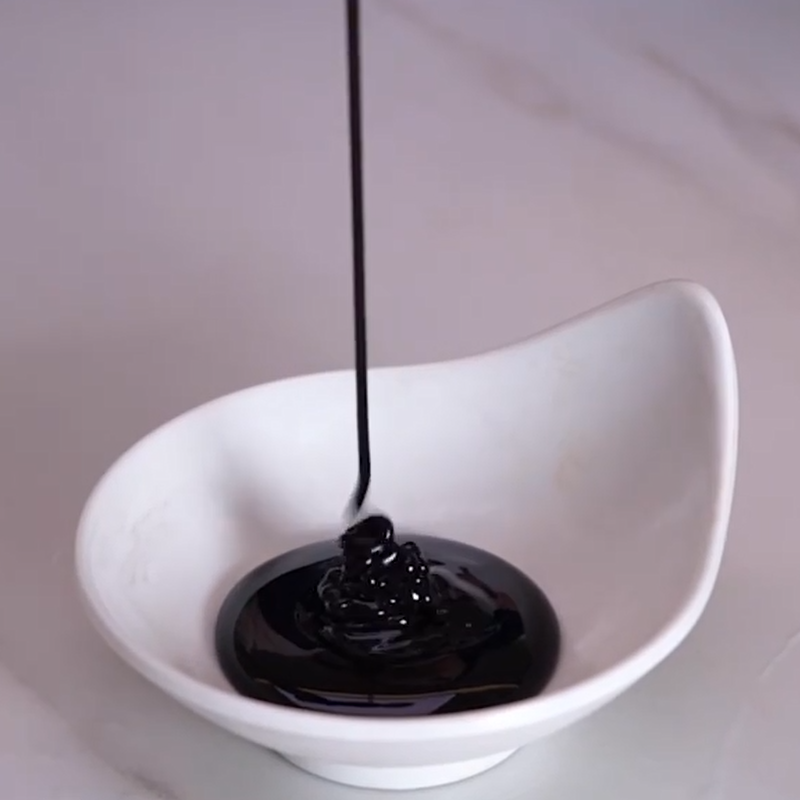
E150d Caramel (Sulfite Ammonia Caramel): Used in alcoholic drinks, soy sauce, and more.Each type is manufactured through unique processes that determine its specific properties, stability, and applications.
E150a Caramel
E150a, often termed as plain caramel, is widely used in various food applications. Its production involves heating carbohydrates under controlled conditions without any chemicals.
This type is popular due to its mild flavor and neutral smell. It doesn’t impart strong flavors, allowing the base ingredients to shine.
Common uses of E150a caramel include:
- Soft Drinks: Provides the signature brown hue.
- Baked Goods: Enhances visual appeal without altering taste.
- Confectionery: Adds color to candies and sweets.
Its versatility and ease of use make E150a caramel a preferred choice across industries.
E150c Caramel
E150c caramel, also called ammonia caramel, is primarily used in beverages and foods requiring deeper color. Its creation involves heat treatment of carbohydrates with ammonia compounds.
The resulting color is a rich, deep brown, suitable for darker product profiles. This makes it ideal for beverages like beer and dark sodas.
Key applications of E150c caramel include:
- Beer and Malt Beverages: Contributes to the traditional amber hue.
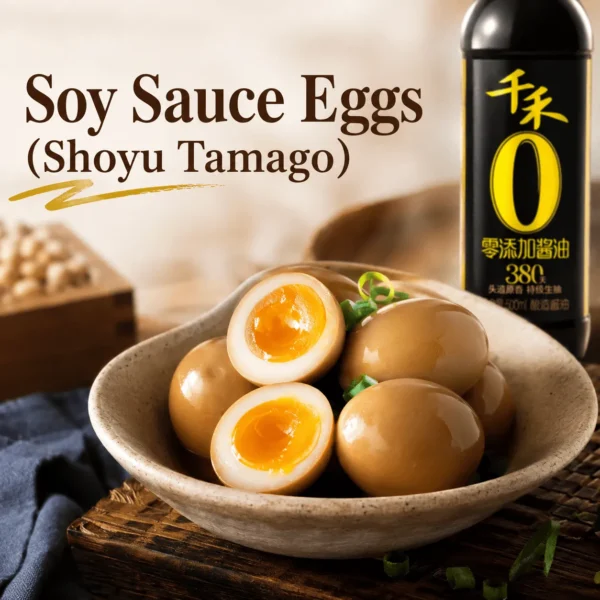
- Soy Sauce: Provides color without dominating flavors.
- Baking: Used in dark breads and rolls for color consistency.
The ability to deliver bold colors without affecting flavor is a significant benefit.
E150d Caramel
E150d caramel is known as sulfite ammonia caramel, a staple in many industries. Its production involves heated carbohydrates with both ammonia and sulfite compounds.
This results in a robust, stable colorant suitable for high-acidity products. E150d’s stability under various pH levels is a key trait.
Typical uses of E150d caramel include:
- Colas and Soft Drinks: Offers stable coloring in acidic environments.
- Worcestershire and Soy Sauces: Provides consistency in color.
- Alcoholic Beverages: Enhances darker shades in spirits.
E150d’s compatibility with various processing methods ensures broad application possibilities.