Accepting soy sauce in 2026 seems like a spot of bother. You find bottles labeled “Light,” “Regular,” “All-Purpose,” and “Halal.” It is natural to be unsure if you are choosing the right one for your dish. The bright side is that sorting out this mess is very simple. “Light” and “Regular” inform about smell and how it’s made; “Halal” is an exclusive label. So, what’s the flavor difference between Halal, regular, and light soy sauces will be explained naturally, thus you can cook with confidence.
This table presents the main characteristics of each soy sauce. By understanding the principles of soy sauces, you can easily recognize what’s the flavor difference between Halal, regular, and light soy sauces.
In order to get the most out of your buying choice, first, we have to clarify the two common terms you will find on every bottle: “light” and “regular”.
Light Soy Sauce
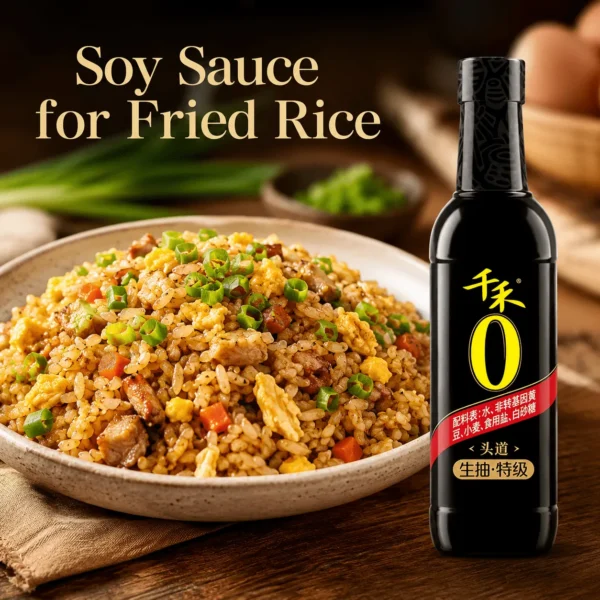
Generally, when a Chinese recipe calls for “soy sauce,” it means light soy sauce. It is the most prominent tool in the kitchen and is mainly for seasoning.Its taste is totally salty with a lot of umami in it. Umami is the full taste that makes food super delicious with the rich and savory spells. It is very light and watery so makes it easy to pour. It is just an insignificant amount of light color that influences your food.The hidden secret for light soy sauce is that it is produced from the first pressing of fermented soybeans. Culinary connoisseurs claim that light soy sauce is a primary seasoning. It delivers a genuine taste of umami to a dish. This is where skill in brewing separates the good from the rest. It creates a pure and strong expression.“Regular” Soy Sauce
The term “regular soy sauce” is one of those that can serve as a city of confusion. Its meaning is not the same everywhere. For instance, in most Western countries, “regular” or “all-purpose” soy sauce is just light soy sauce with another label.The soy sauce is made to be suitable for different ways of use in the kitchen. The taste is nearly identical to the light soy sauce prepared well. It is salty, savory, and is ready for anything.Mostly, the best soy sauces have a traditional brewing method. The procedures lead to an extremely savory and pure base. This is the reason any high-grade light or all-purpose soy sauce is different. It ensures that the flavor is exact and the way it should be.
Now, we look at the “Halal” label. This is a notable difference. But it is not about a special type of taste. It is about the way of production.
What Is Halal?
Halal is an Arabic word which means “allowed.” A dish is Halal-certified when it’s explicitly made by Islamic law. For soy sauce, this means that it has to be free from alcohol and pork product.Traditional soy sauce fermentation naturally produces some alcohol. This is how bread or yogurt are made. To receive the Halal label, factories have to use methods that prevent alcohol from forming. Or they have to prove the final product is alcohol-free.Halal Soy Sauce’s Flavor
What would the taste difference in Halal Soy sauce be? It is the most important point here to understand that a Halal soy sauce can be either a light soy sauce, a dark soy sauce, or any other proportionate type. The Halal label will be placed on a soy sauce which already exists.Consequently, a Halal light soy sauce will taste like that, just like any other. The only difference that can take place is during the slight changes in the brewing process which eliminate alcohol.A professional taster might find a Halal-certified light soy sauce, next to a tradition type one, to be in the same range of umami and salt. There’s a chance, however, the Halal one may give off a somewhat less strong fermented odor. There are people who prefer this because it leaves a very clean finish. The difference is insignificant and it does not interfere with the process in cooking.