We know the two types of soy sauce. One is liquid and the other is powder. Today, we will discover what sets soy sauce powder apart from liquid soy sauce. Each of these forms has its function and utilization. Understanding the similarities and differences between the two types of soy sauce can help you determine the best type for your different needs.
Source & Origin of Liquid & Powder Soy Sauce
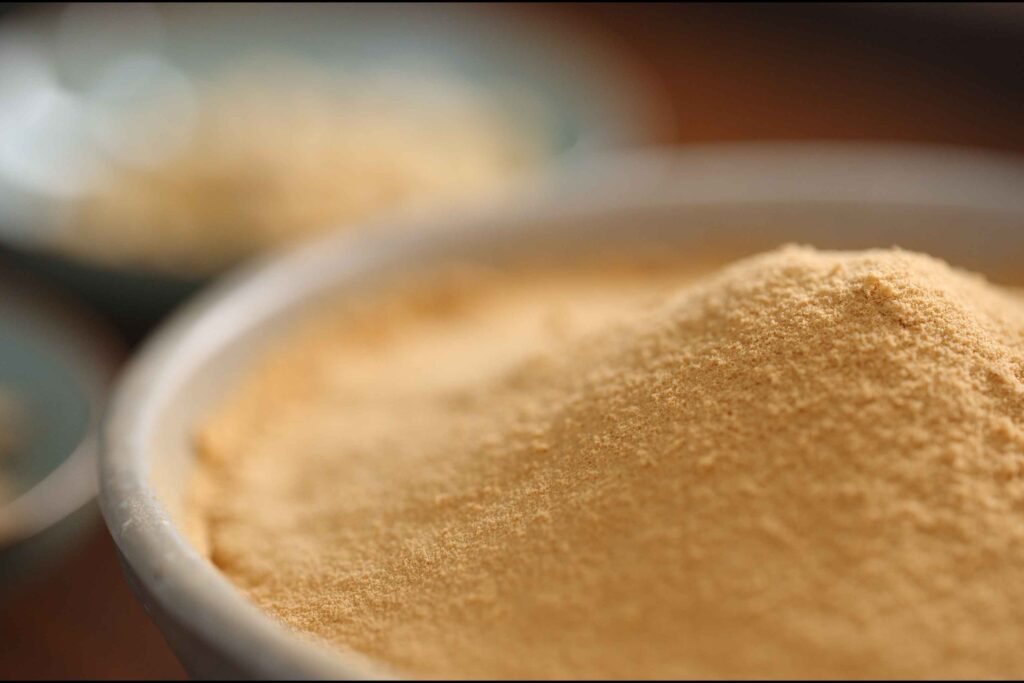
We get liquid soy sauce in China over 2,200 years ago. The soy beans, roasted grains, water, and salt were fermented. Soy sauce powder is the byproduct of liquid soy sauce. It uses a spray drying technique. The liquid was converted by spraying the liquid soy sauce into a heated chamber. While in the chamber, moisture was evaporated, and a dry powdered soy sauce was created.
Soy Sauce Powder vs Liquid Soy Sauce: Differences
1. Physical Characteristics
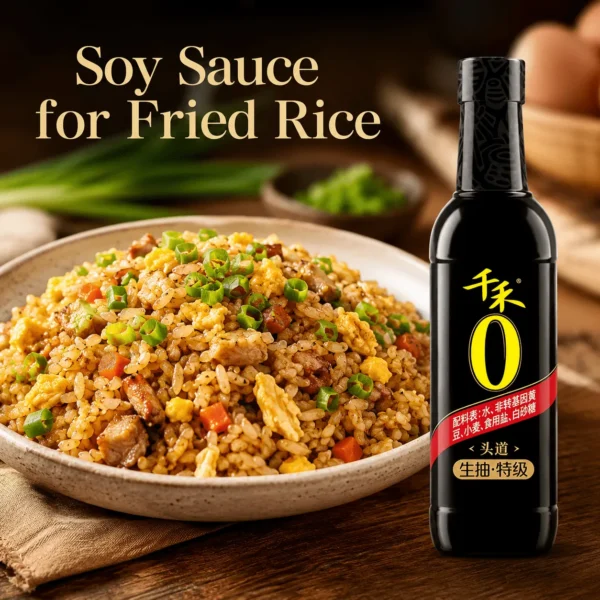
Soy sauce powder has great solubility and anti-hygroscopic properties. It’s used for dry operations. On the other hand, liquid soy sauce is a dark, thick fluid that requires caution to avoid spills and defilement.
2. Constituents and Nutrition
Both forms start from fermented soybeans and grains. Both contain amino acids and proteins. Soy sauce powder can incorporate carriers like maltodextrin to help in the drying prepare, hardly modifying its nutritive profile.
3. Taste
Liquid soy sauce has an umami flavor. Powdered soy sauce has the same taste but is more salty, making it perfect for operations where a subtle soy flavor is demanded.
4. Ease of Application
Powdered soy sauce is helpful for dry composites, seasonings, and particulars where humidity content must be controlled. Liquid soy sauce is ready-to-use but may not be applicable for all operations due to its liquid nature.
5. Capacity and Shelf Life
Powdered soy sauce boasts a longer shelf life, naturally up to 18 months. And doesn’t bear refrigeration, making it perfect for long-term storage. Liquid soy sauce has a shorter shelf life once opened and must be cooled to save quality.
Similarities Between the Two
Both powder and liquid soy sauce share the same base of fermented soybeans and grains, giving the distinctive umami flavor specific to soy sauce. They’re both employed to ameliorate the taste of different dishes in different cookeries.

Applications & Use Cases
Powdered soy sauce is employed for
●Sot seasoning blends
●Snack foods
●Instant polls,
●Gravies and rubs
●Puffed food
Liquid soy sauce is used in
●Stir-fries
●Gravies
●Mists
●Stews
●Everyday cuisine
Final Reflections
Eventually, choosing between powder and liquid soy sauce depends on your specific requirements. Powdered soy sauce is the stylish option in terms of storage, shelf life, and flexibility for dry operations. On the other hand, liquid soy sauce provides a richer flavor profile, suitable for daily cooking.
Qianhe offers a variety of soy sauce products to meet different conditions. For further information on bulk purchasing and product options, please contact Qianhe.