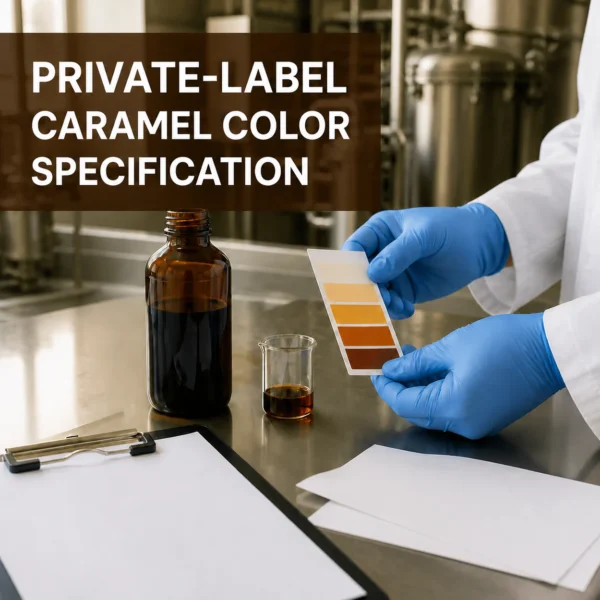
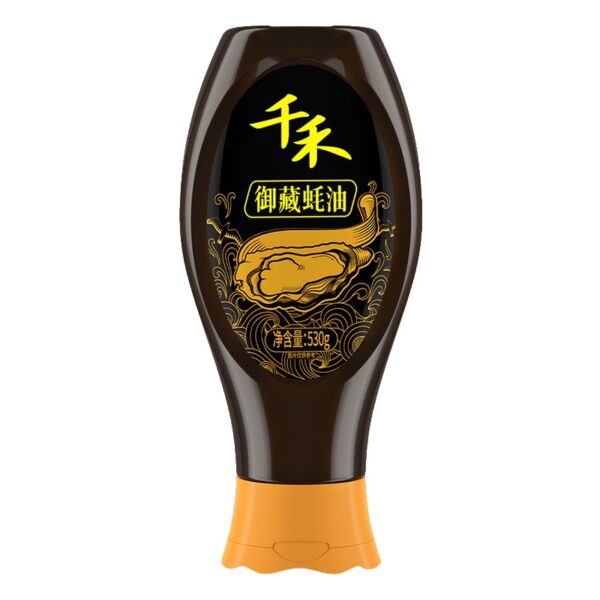
No, caramel food color is not considered artificial. It is created by caramelizing natural sugars, such as sucrose or glucose, by heating them. But the whole answer is not that simple. Certain caramel colourants contain additional ingredients, such as sulfites or ammonia, which may compromise their perceived safety or naturalness.
Caramel food colouring is frequently the answer if you’ve ever wondered what gives your chocolate syrup, soy sauce, or soft drink its deep brown hue. Knowing this ingredient has become crucial in a world where people are becoming more conscious of what goes into their food.
This article will explain the true meaning of caramel food coloring, how it differs from artificial food coloring, what safety rules apply to both, and how these colors might affect your health.
Keep reading for a simple, clear explanation that helps you make more informed choices the next time you read a food label.
Caramel Food Coloring
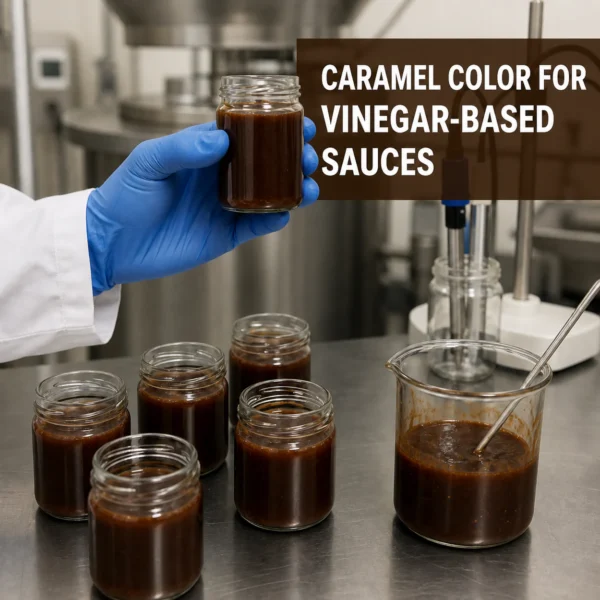
Caramel food color is one of the most commonly used food colorings in the world. Many products, including soft drinks, soy sauce, baked goods, and sauces, get a rich brown hue from it. It is created by heating sugars, such as fructose, sucrose, or glucose. These sugars undergo a colour change known as caramelisation when they are cooked at high temperatures.
Despite its name, it merely adds colour to the food; it has no effect on its flavour. For this reason, it is present in a lot of foods and drinks that have dark hues.
Types of Caramel Food Color
Caramel food colour comes in four varieties:
- Class I (Plain Caramel): It is made by heating sugar only, with no chemicals. It’s considered the most natural.
- Class II (Caustic Sulfite Caramel): It is made using sugar and sulfites.
- Class III (Ammonia Caramel): It is produced with sugar and ammonia, but no sulfites.
- Class IV (Sulfite-Ammonia Caramel): It is made using both ammonia and sulfites.
People freak out a bit about those ammonia-based caramel colorings. But to be honest, food agencies like the FDA and EFSA have poked and prodded them in every direction.
They approved them being in your snacks, as long as companies keep the 4-MEI (that’s the byproduct everyone side-eyes) below some pretty strict limits. So, unless you’re chugging gallons of cola every day, you’re probably fine.
According to a scientific report, caramel food colors are not genotoxic or carcinogenic and are considered safe for use within certain limits.
Artificial Food Coloring
Artificial food colorings are synthetic chemicals made in labs. They are designed to give foods a vibrant, long-lasting colour and are not found in nature. Blue 1, Yellow 5, and Red 40 are a few examples of common artificial colours.
Artificial colouring has been connected to health issues, particularly in children, even though it can make food appear more enticing. As a result, a lot of people are moving to natural colouring.

Difference between Caramel Color and Artificial Color
| Features | Caramel Food Color | Artificial Food Color |
| Source | Made from natural sugars (like glucose, sucrose) | Made from synthetic chemicals in a lab |
| Types | Four classes (I–IV), based on process and ingredients | Multiple dyes like Red 40, Yellow 5, and Blue 1 |
| Production Process | Created by heating sugar (caramelization) | Made using chemical reactions |
| Label Names | E150a, E150b, E150c, E150d (Europe) | Red 40, Yellow 5, etc. |
| Use in Food | Used in soy sauce, cola, bread, and sauces | Used in candies, cereals, jelly, and snacks |
| Safety Perception | Generally seen as safer and more natural | Linked to health concerns, especially in children |
| Regulations | Approved with some limits (e.g., 4-MEI levels) | Often requires warning labels in Europe |
| Consumer Pr | Preferred by people looking for natural ingredients | Avoided by health-conscious consumers |
Difference in Safety Regulations
Caramel Food Coloring
- Governed by the FDA, EFSA, WHO, and other international agencies.
- Separated into four classes (I–IV), each with its own set of safety regulations.
- 4-MEI, a processing byproduct, may be present in some classes (such as III and IV).
- 4-To guarantee safe consumption, MEI levels are rigorously regulated.
- It is referred to as a natural colouring in China.
- When used within authorised limits, it is generally considered safe.
Artificial Food Colouring
- It includes artificial dyes such as Yellow 5 and Red 40.
- It is subject to more stringent regulations because of potential health risks.
- Some research links them to children’s hyperactivity.
- Foods containing specific dyes are required by EU law to bear the warning label, “May have an adverse effect on activity and attention in children.”
- It is considered less safe.
Impact of Caramel Food Color on Food and Human Health
Impact on Food
- It adds colour without altering flavour.
- It enhances the appearance of food.
- It enhances the visual coherence of baked goods, drinks, and sauces.
- For most people, it’s safe.
- There are no significant allergens in it.
- Although regular amounts in food are far below harmful levels, some people may avoid it because of 4-MEI concerns.
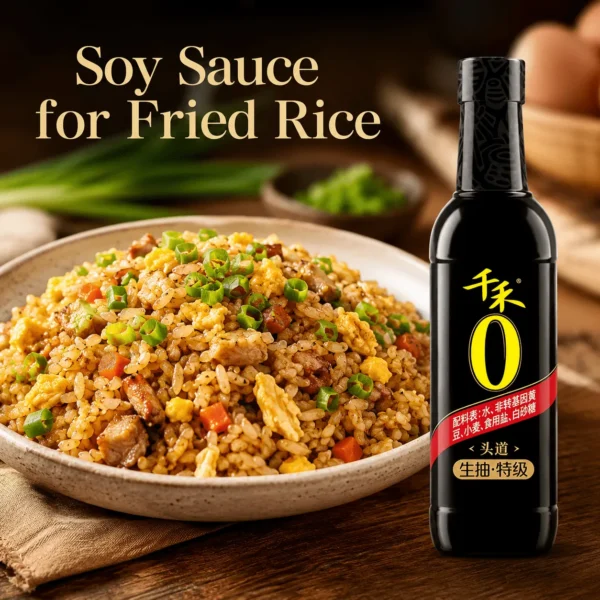
- It is gluten-free and non-GMO, particularly when produced by clean-label businesses like Qianhe.
- However, Class I caramel food colour, which is chemical-free, might be a good option if you want to go all-natural.
FAQs
1. Is caramel food color natural or artificial?
It is made from natural carbohydrates through high temperatures. However, some consider it artificial due to the processing in ammonia or acid. So it’s somewhere in between.
2. Are foods containing caramel food colouring safe to consume?
When used appropriately, yes. It has been tested and approved by major food safety agencies.
3. What is 4-MEI, and should I be concerned about it?
Some caramel colours contain the byproduct 4-MEI. Food products contain very low levels, but high doses in animals have been shown to pose a risk. Manufacturers keep a close eye on it.
4. Where is caramel food colouring most frequently used?
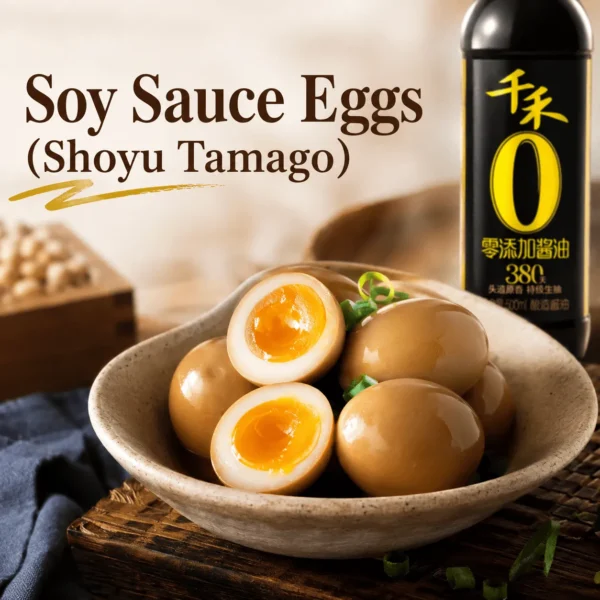
Bread, vinegar, sauces, soft drinks, soy sauce, and more.
5. Is it possible to stay away from caramel food colouring?
By looking at food labels, yes. Typically, it is identified as “Caramel Colour” or “E150a-d” (in Europe).
6. Is caramel color the same as burnt sugar?
Not precisely. Caramel food colouring is primarily used for colour, whereas burned sugar is used for flavouring (such as in desserts). Although the products are used for different purposes, the processes are similar.