Soy Sauce Powder Australia: Bulk Supply for Food Manufacturers
Featured Snippet: Soy sauce powder is dehydrated soy sauce processed into a dry powder. It is widely used in seasoning blends, snacks, instant noodles, sauces, and ready meals. For Australian food manufacturers, it offers easier storage, lower logistics risk, better dosing control, and improved dry blending efficiency.
Introduction
For a food factory, buying an ingredient is not only about finding a supplier. The material must fit the formula, production process, label requirements, storage conditions, and long-term supply plan.
Compared with liquid soy sauce, soy sauce powder gives manufacturers a practical way to add salty, umami, fermented soy sauce flavor into dry or concentrated food systems.
This guide is written for Australian food manufacturers, importers, distributors, seasoning factories, snack brands, sauce producers, and foodservice suppliers evaluating soy sauce powder as a bulk food ingredient.
What Is Soy Sauce Powder?
Soy sauce powder is a dehydrated or powdered form of soy sauce used as a savory ingredient in industrial food production. It can be blended into dry seasoning systems or reconstituted into sauces and marinades.
Depending on the production method and formulation, soy sauce powder may vary in flavor intensity, salt level, color, solubility, carrier ingredients, and aroma profile.
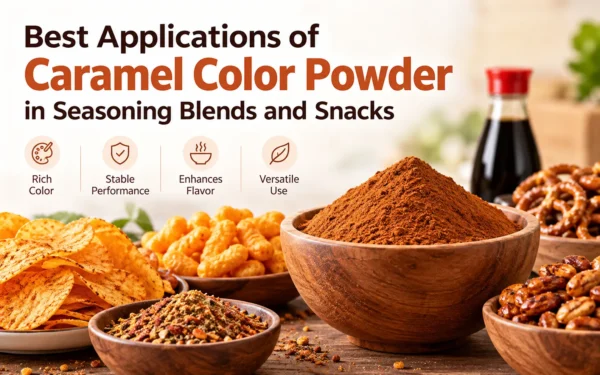
Common uses include snack seasoning, instant noodle seasoning, soup bases, dry rubs, sauce bases, marinades, ready meals, and foodservice seasoning packs.
Main Applications in Food Manufacturing
Soy sauce powder is most useful when a factory needs soy sauce flavor in a controlled, dry, or concentrated format.
| Application | Recommended Use | Why It Works |
|---|
| Snack seasoning | Chips, crackers, extruded snacks, rice snacks | Adds salty umami flavor without liquid handling |
| Instant noodles | Seasoning sachets, soup powder, dry flavor packs | Easy to dose and blend with other powdered ingredients |
| Sauce bases | BBQ sauce, stir-fry sauce, dipping sauce, teriyaki-style sauce | Supports concentrated soy sauce flavor before dilution or cooking |
| Marinades | Meat, poultry, seafood, ready-to-cook products | Provides savory flavor and helps standardize seasoning systems |
| Dry rubs | Meat rubs, grill seasoning, foodservice blends | Works well in low-moisture seasoning formulas |
| Ready meals | Frozen meals, convenience meals, meal kits | Supports consistent flavor across batch production |
Soy Sauce Powder vs Liquid Soy Sauce
For factory buyers, the choice between soy sauce powder and liquid soy sauce depends on the finished product format and processing method.
| Factor | Soy Sauce Powder | Liquid Soy Sauce |
|---|
| Storage | Easier for dry warehouse storage | Requires liquid storage and leakage control |
| Shipping | Lower liquid handling risk | Higher weight and liquid handling requirements |
| Dry blending | Excellent for powders and premixes | Not suitable for dry blends without processing changes |
| Moisture impact | Low impact on formula moisture | Adds water and affects formula balance |
| Dosing control | Easy to weigh and dose | Requires liquid metering |
| Best for | Seasoning blends, snacks, instant noodles, dry rubs, concentrated systems | Ready-to-use sauces, dipping, cooking, liquid formulations |
5 Questions Buyers Should Ask Before Purchasing Soy Sauce Powder
A reliable soy sauce powder supplier should be able to answer more than price and MOQ. These five questions help procurement teams evaluate whether the ingredient fits the formula and factory process.
1. Is it made from naturally brewed soy sauce or flavor compounded?
Some soy sauce powders are based on brewed soy sauce, while lower-cost products may rely more heavily on flavor compounds. For premium seasoning blends or clean flavor positioning, buyers should ask about the base material and flavor source.
2. What carrier ingredients are used?
Common carrier or supporting ingredients may include maltodextrin, salt, starch, or other food-grade carriers. Carrier choice can affect flavor strength, solubility, label declaration, cost, and clean-label suitability.
3. What is the powder concentration and recommended dosage?
Different soy sauce powders can have different flavor concentration and salt levels. A cheaper product may require a higher dosage, which can change the final cost-in-use.
4. What is the sodium level?
Sodium level is important for snack seasonings, reduced-salt formulas, ready meals, and retail products with nutrition labeling. Buyers should check whether the salt content fits the target formula.
5. Is it spray-dried or produced by another process?
Spray drying can affect solubility, aroma retention, particle consistency, moisture level, and powder flow. Buyers should ask how the powder is produced and test it in the actual application.
Specification Checklist for Factory Procurement
Before approving a bulk order, procurement and R&D teams should review the product specification carefully.
| Specification Item | What to Check |
|---|
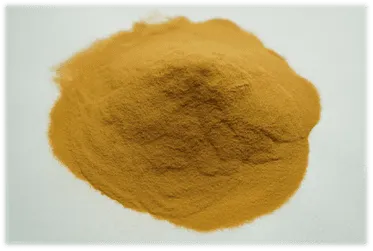
| Appearance | Brown powder, uniform color, no visible foreign matter |
| Flavor | Salty, umami, fermented soy sauce profile |
| Salt / sodium level | Match with final formula and nutrition target |
| Moisture | Important for storage stability and anti-caking performance |
| Particle size | Affects blending uniformity and powder flow |
| Solubility | Important for sauces, marinades, soup bases, and reconstitution |
| Carrier ingredients | Check label impact and compatibility with clean-label goals |
| Packaging | Common options may include 25kg/bag, 5kg x 4 bags, or 10kg x 2 bags |
| Shelf life | Confirm based on supplier specification and storage conditions |
| Customization | Flavor intensity, salt level, color, packaging, and application needs |
Sample Testing Workflow
Soy sauce powder should be tested in the actual formula before bulk purchasing. Testing only in water may not show its real performance in snacks, sauces, dry rubs, or marinades.
- Inquiry: share your application, target flavor, packaging needs, and estimated volume.
- Sample: request sample, product specification, ingredient statement, and COA if available.
- Formula test: test different dosage levels in the real product system.
- Evaluation: check flavor intensity, salt balance, solubility, blending uniformity, caking risk, and storage behavior.
- Specification confirmation: confirm final product code, packaging, label information, and documentation.
- Bulk order: confirm MOQ, lead time, shipping method, and long-term supply plan.
Documentation for Australian Importers
For Australian importers and food manufacturers, documentation is a key part of supplier qualification and internal approval.
Documents buyers may request include:
- Product specification
- COA
- Ingredient statement
- Allergen statement
- Nutrition information if required
- Halal certificate if required
- Kosher certificate if required
- Food safety certification documents
- Export documentation
- Packaging and shelf-life information
For more information about production standards and documentation, see Qianhe’s quality and safety page.
Related Resources
Why Work With Qianhe?
Qianhe has more than 30 years of brewing and seasoning production experience, supporting global buyers with soy sauce, soy sauce powder, and related seasoning products.
For B2B ingredient buyers, Qianhe can support sample discussion, product specifications, bulk supply, packaging options, OEM and private label needs, export documentation, and technical communication for food applications.
Request a Soy Sauce Powder Sample
Need soy sauce powder for your formula? Tell us your application, salt target, flavor preference, packaging requirement, and estimated monthly volume.
Whether you produce seasoning blends, instant noodles, savory snacks, marinades, ready meals, or foodservice ingredients, Qianhe can help match the right soy sauce powder specification.
- Sample support
- Custom formula discussion
- Bulk supply
- Export documents
Contact Qianhe to request a soy sauce powder sample or bulk quotation.
FAQ
Soy sauce powder is used in seasoning blends, instant noodle seasoning, snack coatings, sauces, marinades, ready meals, foodservice seasoning packs, and savory dry mixes.
No. Soy sauce powder is a dry ingredient designed for easier storage, dosing, and blending. Liquid soy sauce is still suitable for ready-to-use sauces, dipping, and cooking applications.
In some dry or concentrated formulations, soy sauce powder can replace part of liquid soy sauce. The final result depends on water content, salt level, flavor target, and processing conditions.
It depends on the formula and raw materials. Traditional soy sauce often contains wheat, so buyers should check the ingredient statement, allergen declaration, and gluten-free certification if required.
Certification depends on the specific product and supplier documentation. Buyers should request Halal certificates when required for target markets or customer specifications.
Shelf life depends on moisture level, packaging, and storage conditions. Buyers should follow the supplier specification and store the powder in a cool, dry place away from moisture and heat.
It depends on the base soy sauce, carrier ingredients, and label requirements. Buyers should review the ingredient statement and confirm whether the product fits their clean-label positioning.
Factories should test flavor intensity, salt balance, solubility, blending uniformity, moisture sensitivity, caking risk, color, aroma, and compatibility with the final formula.
Conclusion
Soy sauce powder is a practical raw material for Australian food manufacturers, seasoning producers, snack brands, sauce manufacturers, meat and seafood processors, ready-meal producers, and foodservice suppliers.
For procurement teams, the best approach is to evaluate soy sauce powder by application fit, specification, carrier ingredients, sodium level, sample testing, documentation, packaging, and long-term supply reliability.