
Making Soy Sauce

Learn all about how Qianhe Soy Sauce is made.

Qianhe Soy Sauce Zero Add

Soy sauce is a staple in kitchens worldwide – we use it for stir-fries, cold dishes, and even dipping dumplings.

Its rich, savory flavor has made it a go-to condiment across continents, but the magic behind its taste lies in its production. Qianhe Soy Sauce adheres to the traditional high-salt dilute fermentation process that has been passed down for thousands of years, and combines modern bioengineering and precise temperature control technology to achieve a perfect fusion of tradition and modernity.

Whether you’re a food enthusiast, a home cook, or a food industry producer, understanding how soy sauce is made will give you a whole new appreciation for this kitchen essential. Let’s walk through the journey from humble ingredients to that versatile bottle in your pantry – the one that adds depth to almost every dish.

The Qianhe Soy Sauce brewing process

Soybeans & Wheat

Soy sauce's distinct flavor primarily originates from the proteins found in soybeans. To unlock these proteins, the soybeans undergo processing: first, they're soaked in water to hydrate them, and then they're steamed at high temperature to break down their structure and prepare them for fermentation.

Soybean 

1
Koji Making

This key step lays the foundation for flavor: 1.Steaming & Mixing: First, boil soybeans until soft, then mix them with wheat to form a moist blend, like fresh dough. 2.Inoculating with Mold Spores: Add Aspergillus oryzae spores to the mix—this turns it into "koji," similar to how yeast starts bread dough rising. 3.Controlled Fermentation: The koji is kept in a warm, humid room (25–30°C) for 2–3 days. As the mold grows, it produces enzymes that break down proteins into umami-packed amino acids and carbs into sugars. 4.Fun Fact: Making koji is a lot like malting in beer brewing—both release hidden flavor precursors essential for the final taste.
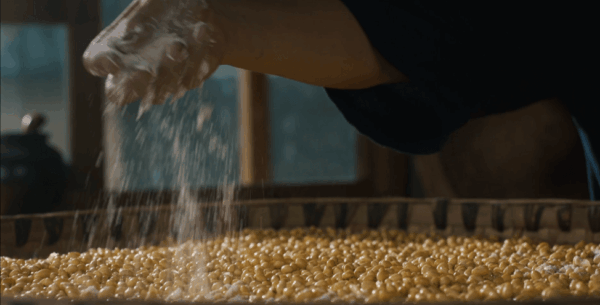
Koji Making

2
Fermentation

Primary Fermentation (1–3 Months): With the basic sauce flavor. Secondary Fermentation (3–12+ Months): Enzymes from koji continue breaking down proteins/carbs. Warm temps (25–30°C) speed fermentation; cool temps (15°C) develop deeper flavors. Qianhe soy sauce main products:Fermentation 180, 280, and 380 days
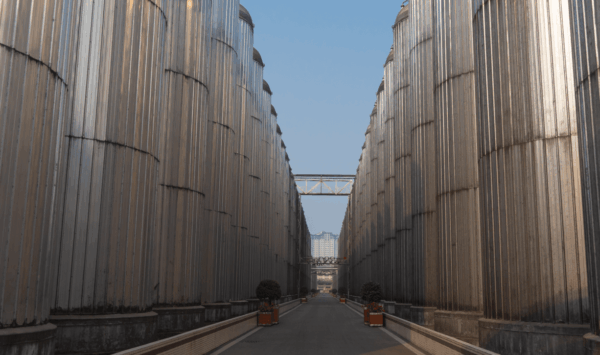
Fermentation

3
Pressing and Filtration

Extracting Soy Sauce from Fermented Mixture 1.Mashing: Fermented mixture crushed to release liquid, similar to squeezing a sponge. 2.Filtering: The first squeeze of soy sauce is richer and has a stronger soy sauce flavor. 3.Clarifying: Multiple filtrations remove sediment, resulting in amber-clear sauce.

Pressing And Filtration

4
Aging and Blending

Refining the Flavor

Aging: Batches rest in tanks for months to mellow sharp notes, like fine wine aging.

Blending: Different batches mixed to balance taste/saltiness/color. Qianhe uses natural browning (no caramel color additives). Strict Quality Checks:

pH, salt content, and amino acid nitrogen (umami marker) tested. Qianhe leads the industry with amino acid nitrogen >1.0g/100ml.
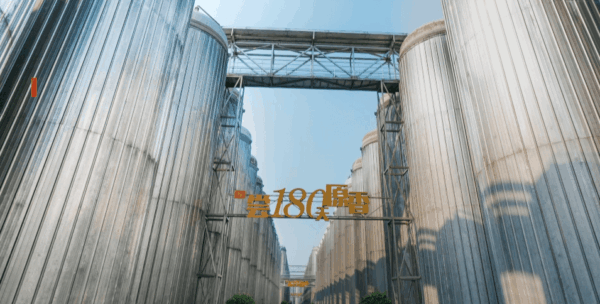
Aging And Blending

5
Sterilization and Packaging
  • Heating: 70–80°C pasteurization to kill microbes and extend shelf life.
  • Filtration: Fine filters remove remaining particles.
  • Bottling: Packaged in glass/plastic with nitrogen flushing to prevent oxidation.
  • Labeling: Clearly states type, ingredients, and brewing method.
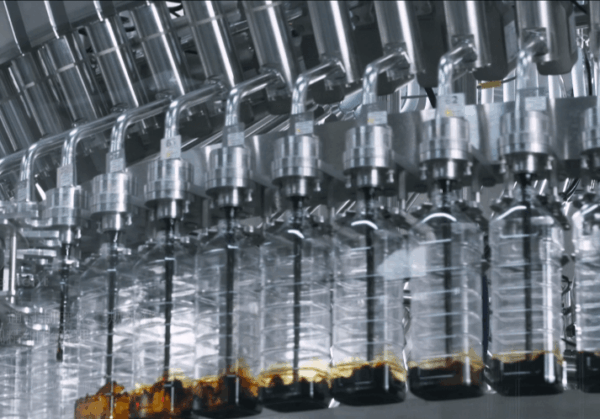
Packing

6

 Regional Variations: Global Twists on a Classic

Type

Key Process Difference

Japanese Shoyu

50% soybeans + 50% wheat, 6–12 months controlled fermentation

Chinese Soy Sauce

Predominantly soybeans, 1–3 years fermentation in earthenware

Tamari (Japan)

Wheat-free, longer fermentation for intense umami

QIANHE SOY SAUCE

Soy sauce production blends microbial science, cultural heritage, and patience. Every step – from steamy koji rooms to silent aging vats – is a balance of art and precision. The next time you use it, remember: you’re tasting millennia-old biotech in a bottle.

The Scientific Principles of Flavor

Umami Power: Glutamic acid (amino acid) released during fermentation creates savory taste. Maillard Reaction: Sugars and amino acids react during aging, forming complex aromas and dark pigments. Microbial Symphony: Over 1,000 flavor compounds (esters, alcohols, acids) emerge from bacterial-yeast collaboration.

From Farm to Table: Why Understanding Matters

Artisanal Craft: Appreciation for traditional brewers who prioritize time over speed. Ingredient Transparency: Premium brands like Qianhe rely solely on fermentation, no additives. Cooking Creativity: Different soy sauces suit diverse dishes – from delicate sushi dips to bold stir-fries.

Scroll to Top

Contact Us