
Caramel Color for Condiment Applications
High Salt Adaptability · Natural Coloring · No Flavor Disturbance
High Salt Resistance
Adapt to 0-20% salinity system, color does not fade
Positive Charge Characteristic
Highly compatible with soy sauce colloid system, no precipitation
Pure Flavor
No burnt bitterness/odor, does not affect original taste of condiments
Stable Batch Quality
Color ratio fluctuation ±5%, no batch color difference
Three Core Problems Solved by Hengtai Caramel Color in Condiment Applications
1: Solve the Problem of Fading / Precipitation with High Coloring
High Salt System Adaptability Problem · Solved Once and for All
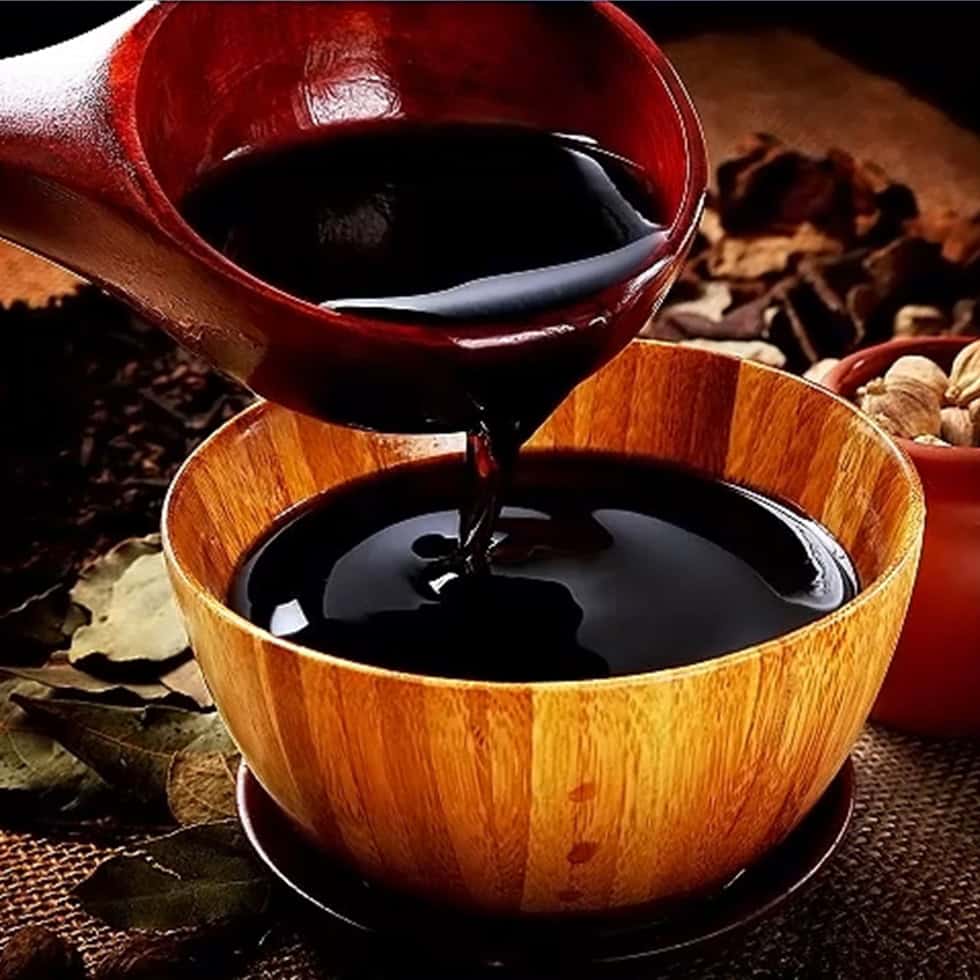
In condiment production, caramel color tends to fade, stratify and precipitate. However, Hengtai E150c ammonia caramel adopts positive charge modification technology, which is highly compatible with soy sauce colloid system. It provides stable coloring under high salinity and maintains uniform color without precipitation or stratification after high-temperature sterilization.
2: Solve the Problem of Masking Original Flavor After Coloring
Natural Coloring · No Flavor Disturbance
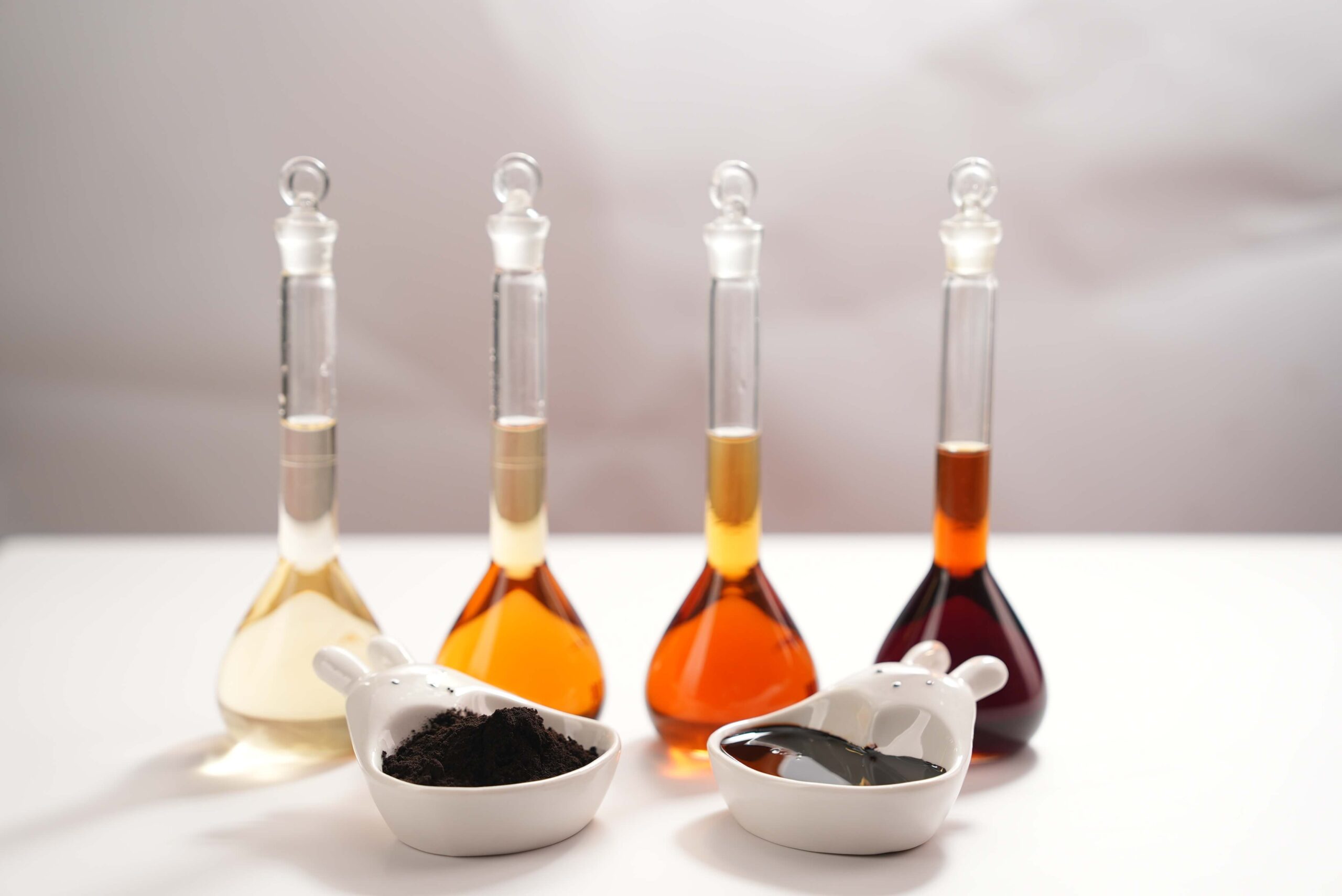
Ordinary caramel color tends to bring burnt bitterness and odor, affecting the sauce aroma of soy sauce/oyster sauce? Hengtai caramel color is produced through precise temperature-controlled reaction process to remove impurities, only impart natural medium brown color, perfectly restore the original flavor of condiments, and adapt to different flavor needs of light soy sauce, dark soy sauce, broad bean paste, etc.
3: Solve the Problem of Unstable Product Quality Control Caused by Batch Color Difference
Stable Batch Quality · Strict Quality Control
Batch color difference of caramel color leads to uneven color of terminal products and high consumer complaint rate? Hengtai's fully automated production line strictly controls reaction temperature and time, and tests color ratio, red index, 4-methylimidazole and other indicators for each batch. The color ratio fluctuation is within ±5%, and 4-methylimidazole ≤200mg/kg, ensuring that each batch of products precisely matches your production needs.

Recommended Models for Condiment Applications
| Product Model | Core Features | Typical Applications | Recommended Dosage |
|---|---|---|---|
| E150c-ZS-500A | Extremely high salt resistance, positive charge, color ratio EBC 12.5 | Dark Soy Sauce / Light Soy Sauce / Soy Sauce Paste | 0.2%-0.5% |
| E150c-ZS-500C | Flavor compatible, medium brown color, no precipitation | Broad Bean Paste / Soybean Paste / Sweet Bean Sauce | 0.15%-0.4% |
| E150c-ZS-600B | Good temperature resistance, no odor, natural color | Oyster Sauce / Chicken Essence / Compound Seasoning Sauce | 0.1%-0.3% |
Exclusive Services
Free 500g custom sample provided, assist with sample testing
Technical team provides on-site/remote guidance for sample testing, determine optimal dosage
Provide mass production formula after testing, ensure seamless transition from trial production to mass production